

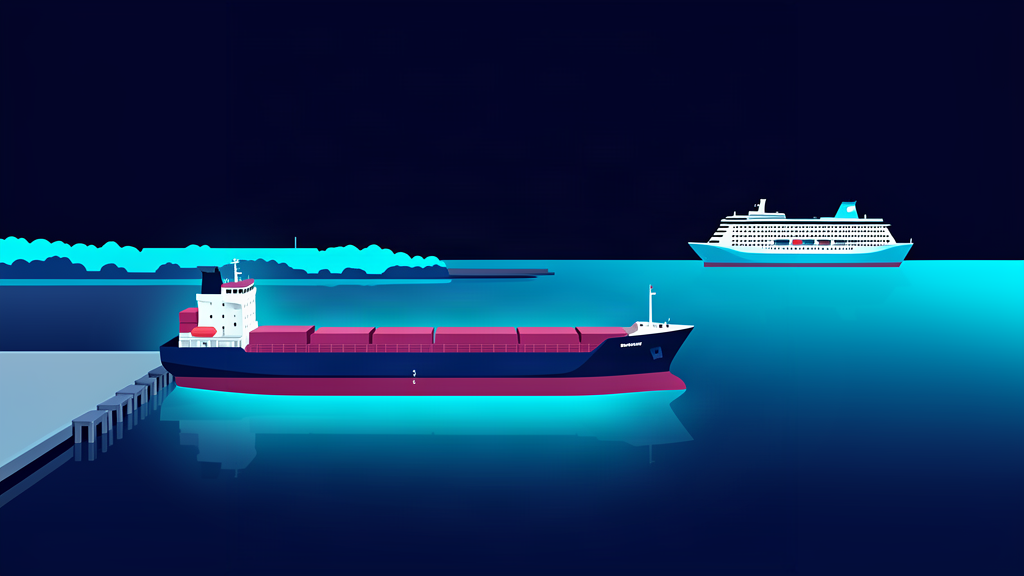
A US port authority has filed a $1m lawsuit over a collision between a tanker and a cruise ship on the Mississippi River near New Orleans, in a case that also asks a court to seize and sell the tanker involved.
What happened
The Port of New Orleans has brought the civil claim against the vessel following the incident, which the reports have described as the “miracle on the Mississippi” collision. Under the terms of the filing, New Orleans officials are seeking $1m in damages, and they have also asked a court to order the tanker seized and sold, with the proceeds directed towards compensation for the harm caused.
The collision has drawn attention to the risks posed by large vessels moving along one of the United States’ busiest commercial waterways. The Mississippi River is a central artery for American trade, carrying container ships, tankers and cruise traffic through densely packed channels that leave little room for error. The incident occurred against that backdrop, with two large vessels on a collision course along one of the country’s most important shipping routes.
According to the BBC’s report, the legal action is the latest effort by the port authority to protect its operations and recover costs after a serious disruption on the water. The seizure element of the claim is significant, since it goes beyond ordinary damages and targets the vessel itself as a source of payment.
Maritime claims of this sort normally follow an investigation in which investigators work out what happened before any legal action is taken. In this case the port authority has moved quickly to secure a remedy while the details of the collision remain under scrutiny. The request for the tanker’s seizure reflects the seriousness with which officials view the incident.
Why it matters
Shipping incidents of this kind carry heavy financial and human costs. Beyond the damage to the vessels themselves, a collision on a busy waterway can disrupt port operations, strand cargo, delay passenger travel and expose operators to legal liability. For the port authority, a successful claim is a way to recover part of the cost of managing those risks and to hold a vessel’s owners accountable.

ADVERTISEMENT
The demand to sell the tanker is notable. Courts can order the seizure and auction of a vessel as a remedy in maritime cases, using the proceeds to pay damages. That makes the claim more than a simple financial dispute, it is an attempt to recoup losses directly from the asset at the centre of the incident.
For the wider industry, the case highlights the importance of strict safety standards on major waterways, where a single error can affect thousands of tonnes of cargo, numerous passengers and the livelihoods of port workers. Stronger enforcement and clearer responsibility frameworks can help reduce the risk of repeat incidents.
What happens next
The case now turns on the courts. If it proceeds, a judge will decide whether the evidence supports the claim and whether the tanker can be held liable for the collision.
Should the claim succeed, the vessel may be ordered to be sold, with the proceeds paid towards the damages sought by New Orleans officials. The shipping and tourism sectors on the Gulf coast will be watching closely, given the disruption a serious incident can cause to river traffic. The outcome may also influence how port authorities approach safety oversight and legal remedies in the future.


















We do not allow links of any sort in comments. No SPAM whatsoever. On topic comments only.