

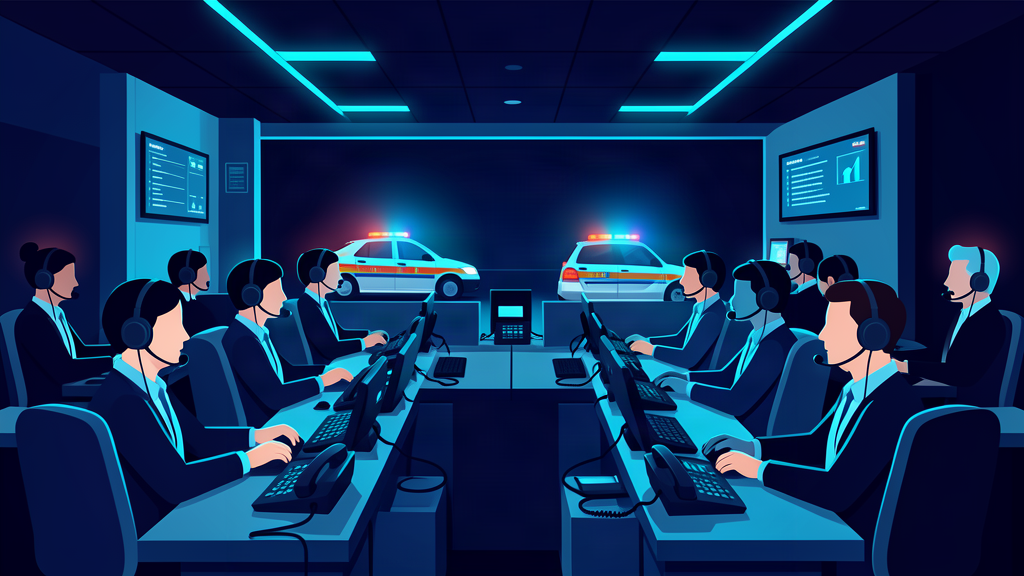
London Ambulance Service has declared a critical incident after the number of calls it received over three consecutive days exceeded 7,000 each day. The service said the declaration was made in response to sustained high demand, with its control room struggling to keep up with the volume of calls it was taking. The action brings the service’s handling of the latest surge into line with the measures used when demand outstrips the capacity to respond.
Why the surge is happening
The service said it was dealing with a sustained period of unusually high demand. With more than 7,000 calls a day over three consecutive days, the control room has had to prioritise the calls it can answer first. Emergency calls have continued to arrive through the day, and the service has described the situation as one in which it is working under exceptional pressure. The decision to declare a critical incident allows the service to focus its resources on the most urgent cases and to manage the flow of calls more tightly.
How a critical incident is handled
When a critical incident is declared, the service changes the way it triages calls. The most serious cases are answered first, while less urgent calls may be given scripted advice or delayed. The move is designed to make sure that the resources available are directed where they are needed most, even if it means some callers have to wait longer than usual. The service said the declaration was a reflection of the pressure it was under rather than any single incident.
Why this matters

ADVERTISEMENT
London Ambulance Service is the busiest in the country, and a sustained rise in the number of calls places strain on the health system as a whole. Paramedics, call handlers and volunteers are all working to keep pace, and the critical incident is a signal that the system is being stretched beyond its usual operating point. The situation also reflects wider pressures on the NHS, where demand for emergency care has risen in recent months.
What happens next
The service said it would continue to monitor demand and would review its response as the situation develops. The declaration is intended to be temporary, and it will remain in place for as long as the high level of demand continues. The public is being asked to use the service responsibly, and guidance is being issued on when to call 999 and when to seek other forms of help. The service will keep people informed through its normal channels as the situation is reassessed.
Emergency services elsewhere will be watching the way the London service manages the surge, particularly the balance between keeping calls open and pushing people towards other forms of help. The elderly and the very ill remain the priority for the crews, and the hours of highest demand are likely to dictate the pace of the response. The service’s handling of the incident will be reviewed in the light of the number of calls it has been taking and the resources it has available.
The declaration is a mark of how stretched the service has become, and the way it is managed will be watched by other forces across the region. Public reassurance is key, and the service’s guidance is intended to steer people away from non-urgent 999 calls while the pressure continues. The crews on the frontline are doing what they can to keep up, and the incident is a reminder of the pressures that sit behind the scenes during a prolonged period of high demand.





















We do not allow links of any sort in comments. No SPAM whatsoever. On topic comments only.