

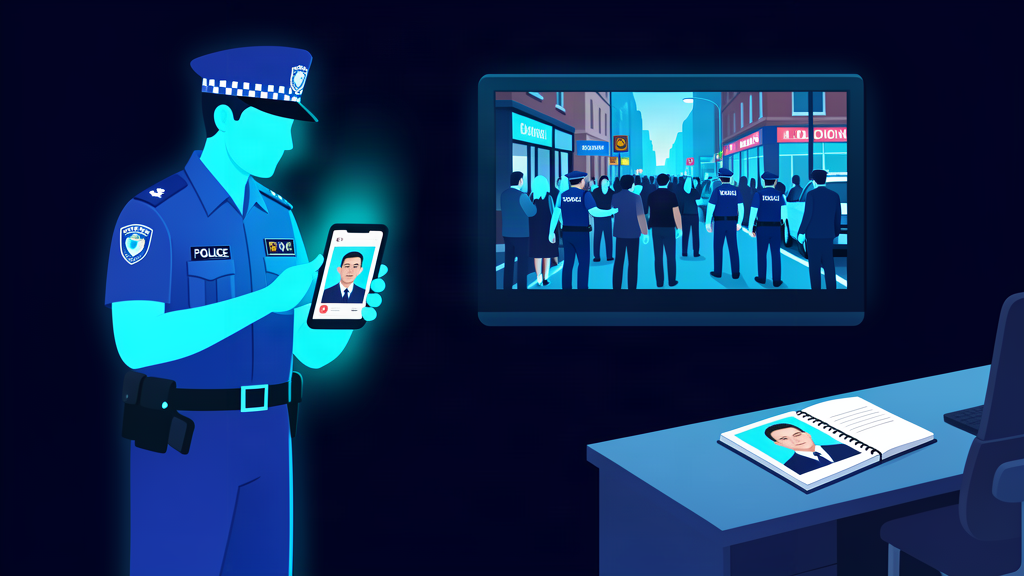
The Met Police will be able to photograph people in public without their consent as part of a new facial recognition pilot, police have said. The technology allows officers to use their mobile phones to capture and compare images against police records, with the aim of identifying suspects more quickly in situations where there is no other way of establishing who is involved.
How the pilot works
Under the scheme, officers in London will use their mobile phones to take photographs of people in public places and compare them against police records. The system is designed for use where there is no other reliable way of identifying a suspect, and the guidance places the decision to use the technology with individual officers. The pilot is limited to a defined set of circumstances and is subject to approval by a supervisor before it is used.
What the policy allows
The guidance allows officers to take images of people without their consent, but only as part of the pilot and only where there is a lawful basis to do so. The policy says the images may be used for identification purposes and that officers must act within the bounds of the law. Any images taken for evidence must meet the same standards as those taken for other purposes, and officers are expected to keep records of their use.
The safeguards
The Met said the pilot would be subject to strict oversight, with officers trained in how to use the technology and how to record its use. The force said the images taken would not be stored permanently and would only be used for the purpose of the investigation for which they were taken. The approach is designed to keep the powers in line with the existing rules that govern police use of facial recognition.
Why this matters
The move raises questions about the balance between an officer’s power to identify suspects and the privacy of the public. Facial recognition has been the subject of debate across the UK, with campaigners concerned about the potential for misuse and about the lack of clear regulation. The pilot will therefore be watched closely by those who follow the use of technology by the police.
What happens next
The Met said the pilot would run for a defined period, after which the police would report on how it performed against its stated objectives. The results would then inform any decision about whether the scheme is extended or changed. The force said it would continue to work within the law and to review its use of the technology as the pilot progresses.



















We do not allow links of any sort in comments. No SPAM whatsoever. On topic comments only.