

The UK has imposed sanctions on Yemen’s Houthis and four senior figures, accusing the Iran-backed group of renewed aggression in Yemen and attacks on civilian infrastructure in Saudi Arabia. The measures, announced by the Foreign Office, freeze assets and impose travel bans, and come as fighting has intensified across the region following the collapse of a UN-brokered ceasefire.
Who has been sanctioned
According to Al Jazeera, those targeted include the Houthi interior minister, Abdulkarim Amir al-Din Hussein al-Houthi, and the group’s security and intelligence chief, Abdul Hakim Hashem Ali al-Khaiwani. Chief prosecutor Sarim al-Din Mufadal, who has been accused of sexual violence including rape and torture, also faces an asset freeze and travel ban. The UK government said the group and its leaders were undermining peace and security in Yemen and the wider region.
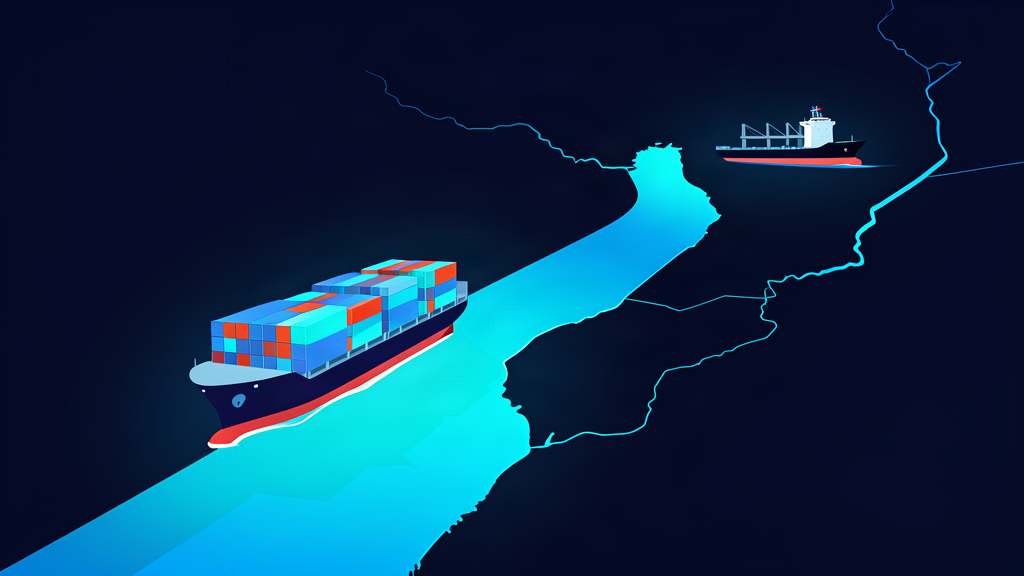
Foreign Secretary Ed Miliband linked the sanctions to attacks on shipping in the Bab al-Mandeb strait, one of the world’s busiest maritime lanes. “The Houthis’ renewed aggression targeting our partners and innocent civilians is unacceptable, and they must be held to account,” he said, adding that the measures sent “a clear message” that Britain would act in support of its values and interests.
A widening conflict
Fighting has escalated since July, when a ceasefire agreed in 2022 broke down. Al Jazeera reports that the Houthis have since captured the Red Sea port of Mocha and the island of Mayyun, extending their control over the Red Sea and setting back the Saudi-backed government. The group has also targeted Riyadh’s financial district this week and struck Saudi oil installations and a major pipeline.
The war began after the Houthis took the capital, Sanaa, in late 2014, forcing President Abd Rabbu Mansour Hadi to flee. Saudi Arabia intervened in support of the internationally recognised government, viewing the group’s rise as a security threat on its border. The current round of attacks comes as Iran blocks the Strait of Hormuz, a vital route for Gulf oil and gas, in response to the US-Israel war on Iran.
Why it matters
Britain has longstanding security and commercial interests in the Gulf and the Red Sea. Disruption to shipping through Bab al-Mandeb or Hormuz affects energy prices and supply chains far beyond the region, while Riyadh is a decades-old ally. Sanctions allow the UK to signal disapproval and apply pressure without committing ground troops — but their practical effect is limited unless allies act in concert.

ADVERTISEMENT
What happens next
Analysts quoted by Al Jazeera describe the measures as largely symbolic. The government’s decision last month to deploy fighter jets to defend Saudi Arabia points to a more direct role if attacks continue. Whether the sanctions change Houthi behaviour, or simply raise the diplomatic cost of the group’s campaign, will depend on how the wider conflict — and the standoff with Iran — develops in the coming weeks.





















We do not allow links of any sort in comments. No SPAM whatsoever. On topic comments only.