

What went wrong
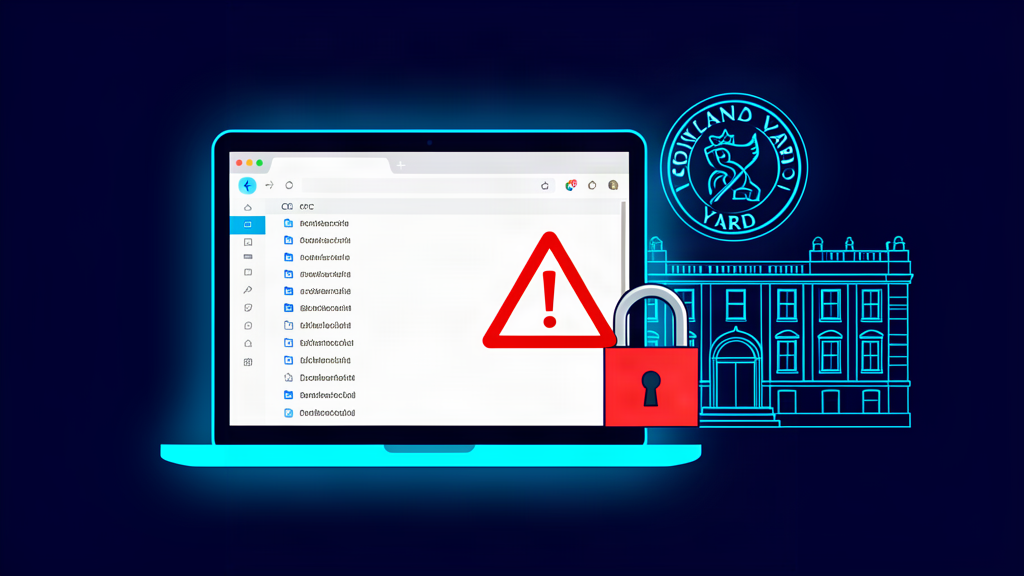
Scotland Yard has issued an apology after an administrative error exposed the private email addresses of people who had signed up to receive updates about its investigation into the late Mohamed Al Fayed. In a stark breach of confidentiality, those who had subscribed to a monthly bulletin were copied in to one another — meaning alleged victims could see, and be seen by, fellow complainants.
The force said the mistake, which affected a mailing list rather than the underlying investigation files, was the result of human error rather than a hack. Even so, for survivors who have spent years building the courage to come forward, the disclosure is a profound betrayal of trust.
Why the breach cuts deep
The Al Fayed scandal is among the most serious abuse inquiries in recent British policing history. Hundreds of women have alleged sexual assault and exploitation by the Harrods and Fulham Football Club owner, who died in 2023. Many came forward on the understanding that their identities would be protected.
When a police force accidentally reveals who is on a victims’ mailing list, it does more than embarrass the Met. It risks deterring other survivors from reporting, and it hands investigators a fresh credibility problem at precisely the moment public confidence is most fragile.
A familiar pattern of IT failings
The blunder also lands against a backdrop of repeated criticism of the Met’s data-handling. From lost evidence to poorly redacted documents, the force has struggled to demonstrate the basic housekeeping that sensitive cases demand. A mailing-list error may sound minor, but for the people affected it lands as confirmation that their details are not safe.
The wider context of the Fayed inquiry
Al Fayed, the Egyptian-born businessman who owned Harrods from 1985 to 2010, was never charged with any offence before his death. Following broadcasts and reporting in 2024, a wave of allegations emerged describing a culture of predation at his businesses. An independent review led by Baroness Louise Casey was commissioned to examine whether the Met missed opportunities to investigate earlier.

ADVERTISEMENT
That review, and the civil claims now moving through the courts, have placed enormous pressure on the force to show it treats victims with care. A mailing-list mistake will not derail the wider inquiry, but it hands critics a vivid example of the slipshod administration they say has dogged the case from the start.
What happens next
The Information Commissioner’s Office, the UK’s data watchdog, has the power to investigate and fine organisations that breach data-protection law. While the Met has apologised directly to those affected, a formal ICO inquiry cannot be ruled out.
For now, the force says it has reviewed its mailing processes and moved to prevent a recurrence. But the deeper question — whether Britain’s largest police service can be trusted with the most vulnerable witnesses — will take far more than an apology to answer.
Source: Original report. Rewrite for Your News Website.














Really helpful article, thank you – looking forward to more like this!