

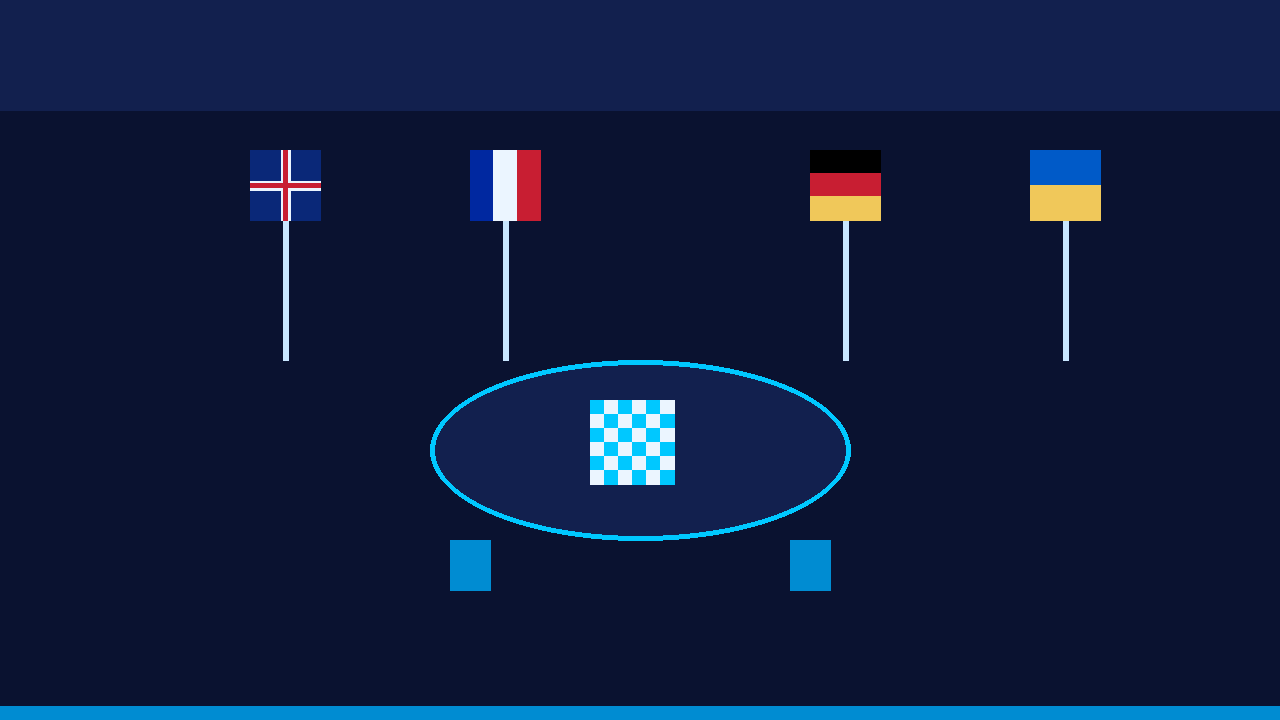
French, German and British diplomats are working on a format for future Russia-Ukraine negotiations, even as Moscow shows little interest in talking. The quiet effort, reported by the New York Times, is driven less by optimism than by anxiety: that any eventual settlement could be shaped in Washington — and by Donald Trump — with Europe sidelined.
Europe’s fear of being sidelined
After more than two years of war, European capitals worry that a deal cut between Washington and Moscow might trade away security guarantees the continent considers vital. The memory of previous great-power accords struck over the heads of those most affected fuels a determination to be in the room, or at least to set the terms of any pause in fighting.
The role of Britain, France and Germany

ADVERTISEMENT
The three largest European military and diplomatic powers are natural conveners. Britain, outside the EU but a NATO heavyweight, brings transatlantic credibility; France and Germany bring continental weight and a history of engagement with Moscow. Together they hope to present a coherent European position that Washington cannot easily ignore.
Why Trump concerns London and Brussels
A second Trump presidency has sharpened the urgency. European leaders recall his transactionalism and scepticism of open-ended commitments, and fear a bargain that freezes lines while leaving Ukraine exposed. The diplomacy is therefore as much about managing the United States as it is about Russia.
What a negotiated settlement might look like
Analysts sketch familiar contours: a ceasefire, mutually agreed territorial arrangements, security assurances, and reconstruction. None is close. Russia’s insistence on recognising occupied territory and Ukraine’s refusal to cede sovereignty remain the core block. Europe’s aim is to ensure any framework embeds durable guarantees rather than a fragile truce.
The road ahead
For now the European format is preparatory — a contingency plan for a moment that may not come soon. But the very act of designing it signals a maturing strategic autonomy: a Europe determined not to be a spectator at the table where its own security is decided. Whether Washington welcomes or resists that role will shape the continent’s footing for a generation.
Source: Original report. Rewrite for Your News Website.













Really helpful article, thank you – looking forward to more like this!
Great read, I learned something new. Thanks for sharing!