

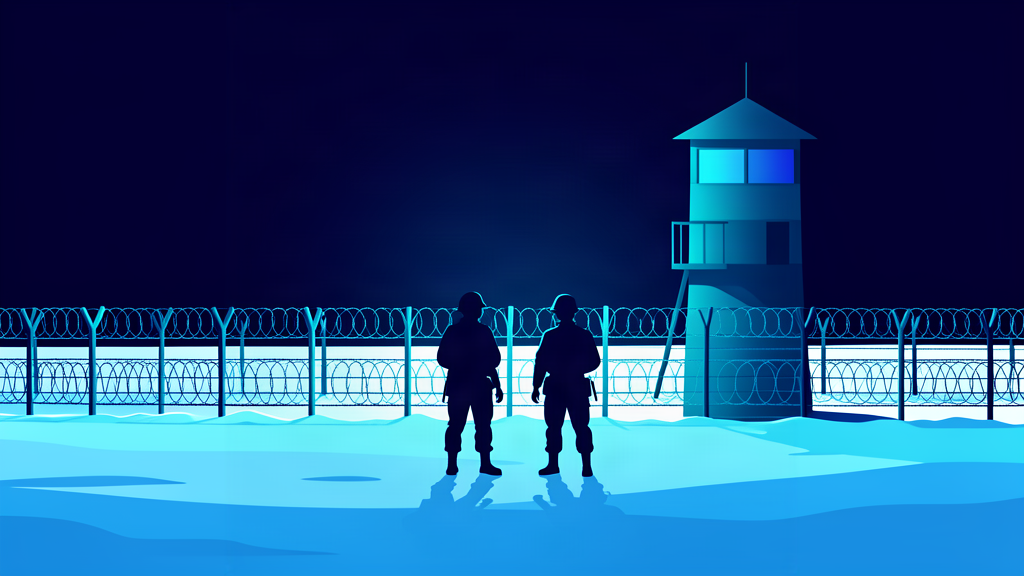
Ukrainian-born men who took up arms for Russia are now being tried for treason, yet inside a prisoner of war camp in western Ukraine many of them insist they were defending their own homeland, the BBC reports from a rare piece of front-line reporting. The accounts complicate the simple narrative of a war fought between two clearly defined sides, and they arrive at a moment when the conflict remains a central preoccupation for the UK and its allies.
Voices from the camp
The BBC spoke to captured soldiers who were born in Ukraine but fought alongside Russian forces, and who now face treason charges. Several told the broadcaster they believed they were protecting their homes and communities rather than betraying their country, a claim that reflects the tangled local loyalties that cut across the front lines. At the camp in western Ukraine, fellow detainees and guards offer competing interpretations of why these men picked up Russian weapons, and the BBC notes that the truth varies from one individual to the next.
The British context
For the UK, the war in Ukraine continues to rank among the government’s foremost foreign-policy priorities, and Westminster has cast Britain as one of Kyiv’s principal backers since the full-scale invasion. The prime minister, Andy Burnham, has framed support for Ukraine as both a strategic necessity and a moral one, and the British public has remained closely engaged with reporting from the conflict. Stories such as the BBC’s, which reveal the human complexity behind the battlefield, help explain why the war resists easy framing in Whitehall as well as in Ukraine itself.
The reporting also underscores the domestic dimension of the fighting: many of those caught up in it are, by birth, Ukrainian citizens, and the question of how a divided society treats them after capture will shape the country’s postwar reckoning. The treason trials are one mechanism; reconciliation may require others.
Why it matters
The piece matters because it punctures the clean dichotomy often applied to the war and shows how local identity, coercion, and conviction intertwine on the ground. For UK audiences, it is a reminder that the conflict the government supports is fought by people with layered, sometimes contradictory, allegiances, and that the path to any settlement will have to account for them.
What happens next
The treason proceedings against captured fighters will continue, and the BBC is likely to follow their outcomes. As the war grinds on, the UK’s political and military backing for Ukraine shows no sign of easing, and reporting like this will inform how the British public understands both the cost of the conflict and the difficulty of what follows it.

ADVERTISEMENT
Source: Original report. Rewrite for Your News Website.











Crushed Evers d she s s