

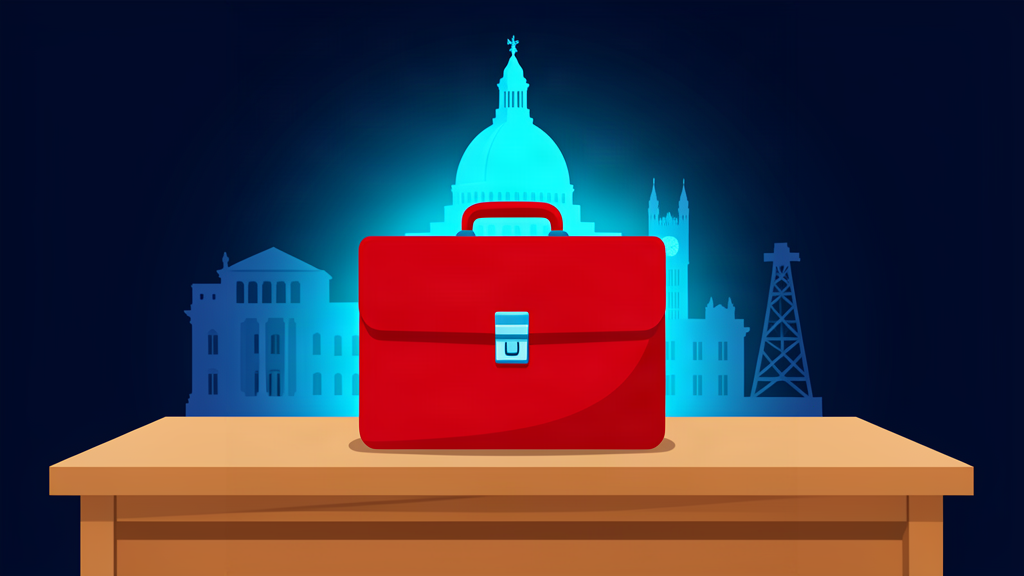
Chancellor John Healey is considering a windfall tax on banks and major oil companies as he draws up his first Budget, according to the Sunday Telegraph. The paper reports that Treasury officials are examining ways to close a roughly 4.7 billion pound hole in the public finances without raising direct taxes on individuals, with banks and oil firms described as “low-hanging fruit”.
Budget pressure
The reported move forms part of a wider package as the Chancellor seeks to balance the books. The Sunday Telegraph’s editorial cautioned against the windfall-tax approach, arguing it could harm economic growth by denting investor confidence. BP is reported to have more than doubled its profits between April and June, a surge the paper links to higher oil prices. The precise design of any levy, and whether it would apply to banks, oil producers or both, remains unconfirmed.
The rest of the front pages
Elsewhere, the Sunday Times reports that Prime Minister Andy Burnham has agreed a pay deal for train drivers on the Avanti West Coast London to Manchester line, described as a lucrative settlement intended to avert strike action on one of Europe’s busiest routes. The Mail on Sunday carries a warning from a senior adviser to Vladimir Putin that Russia is considering a “hybrid attack” on a UK drone or missile factory, an escalation of rhetoric over Britain’s continued support for Kyiv. The Observer leads on the Nepal-Tibet border flash floods, reporting at least 675 dead and 3,000 still missing.
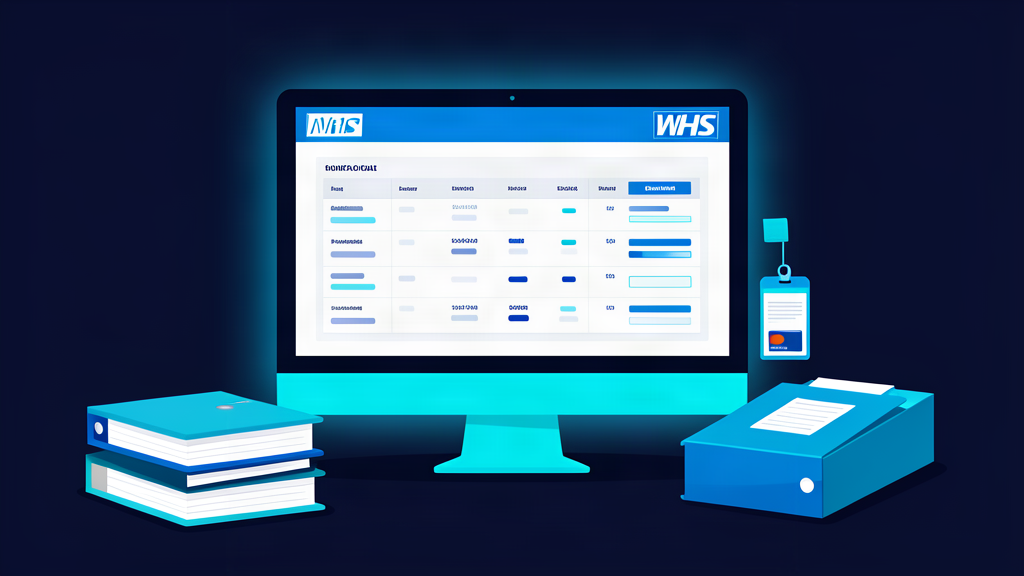
The Sun on Sunday says ITV is in talks about reviving the X Factor seven years after the last UK series, potentially with creator Simon Cowell returning. The Sunday Mirror reports that Peter Homa, the former chief executive of Nottingham NHS Trust – where a review found 520 mothers or babies suffered potentially avoidable death or harm – now co-owns a firm providing maternity training to the NHS, prompting concern from grieving families. And several papers report research suggesting statins could reduce the risk of dementia, with the Sunday Telegraph citing a Copenhagen University Hospital study.
Why it matters
A windfall tax on banks and oil companies would be one of the most significant fiscal signals of the new government’s first Budget, touching household-name businesses and the wider investment climate. With the Chancellor reportedly reluctant to raise direct taxes on working people, the direction of travel matters for both the City and consumers. The breadth of the Sunday papers – from the Budget to industrial relations, defence rhetoric and the NHS – captures a government juggling economic repair, public services and security in its first months.
What happens next
Any windfall tax would have to be set out in the Budget, and Treasury plans can change before then. Businesses and opposition parties are likely to press for detail on scope and duration. Your News will report the confirmed measures when the Chancellor presents the Budget and the Treasury publishes its accompanying documents.

ADVERTISEMENT
Source: Original report. Rewrite for Your News Website.















We do not allow links of any sort in comments. No SPAM whatsoever. On topic comments only.