

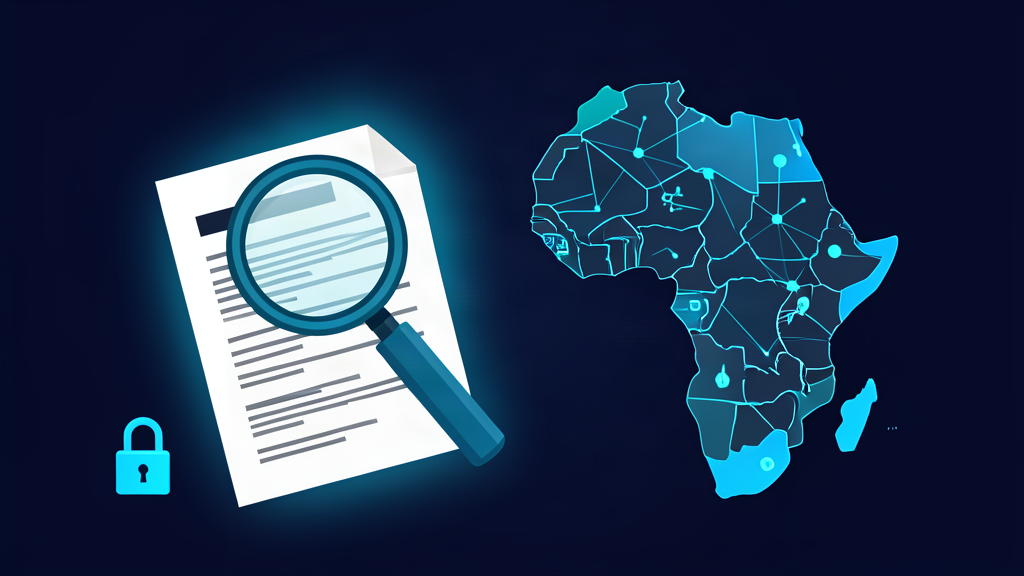
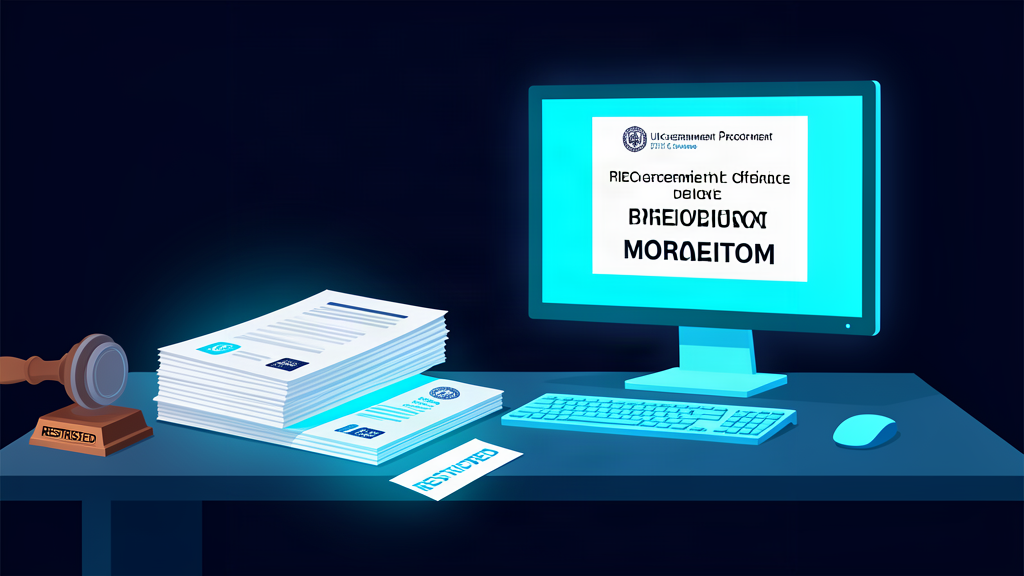
Mauritius police are conducting a criminal investigation into possible forgery linked to the annulled 2025 board election of the African Network Information Centre (AFRINIC), the organisation that manages internet number resources for 54 countries across Africa and the Indian Ocean. The confirmation comes after the registry’s own election was called off mid-count and later re-run under different rules.
What AFRINIC does
AFRINIC is one of the world’s five regional internet registries, responsible for allocating and recording the IP addresses that keep networks, banks, governments and mobile operators online. Its decisions affect the basic plumbing of the internet across an entire continent. In recent years the organisation has been dogged by governance and operational problems, including a long-running legal dispute with one of its members, Cloud Innovation, over AFRINIC’s power to terminate users who breach its rules. That fight left the registry unable to convene a board for several years and placed it under court-ordered receivership in Mauritius.
The allegations
According to details reported by The Register, South Africa’s Internet Service Providers’ Association raised two specific irregularities after the vote. In one case, a representative of a resource holder arrived to vote only to be told another person had already cast a ballot on their behalf using a power of attorney they said they had never issued. In another, a power of attorney recorded by AFRINIC staff had mysteriously vanished from the record by the time a copy was requested. The Nomination Committee overseeing the vote became concerned during the in-person session in Mauritius and halted the election; the receiver later annulled it.
Mauritius Police confirmed to The Register that two cases tied to the 2025 AFRINIC elections remain under investigation by the Central CID, both alleged forgery. The Central CID handles sensitive and public-interest matters.
Why it matters
An internet registry may sound obscure, but its integrity is foundational: if the record of who controls addresses is compromised, the consequences reach every website, bank transfer and government service that relies on them. The episode also shows how organisational instability at a critical technical body can spill into the criminal-justice system, and why reform of how the internet’s numbering is governed matters well beyond the tech sector.
What happens next
AFRINIC has named South African lawyer Mike Silber as its next chief executive, due to take up the role on 1 January 2027, and is consulting on bylaw changes including a dispute-resolution clause. The police inquiry continues in Mauritius. Your News will follow developments as the criminal investigation and the registry’s governance reforms progress.

ADVERTISEMENT
Source: Original report. Rewrite for Your News Website.










It’s concerning to hear about the police investigation into AFRINIC’s election processes. This organization plays a crucial role in managing internet resources for a whole continent, so transparency and integrity in their governance are vital. I hope the investigation sheds light on the issues and helps restore confidence in their operations.