

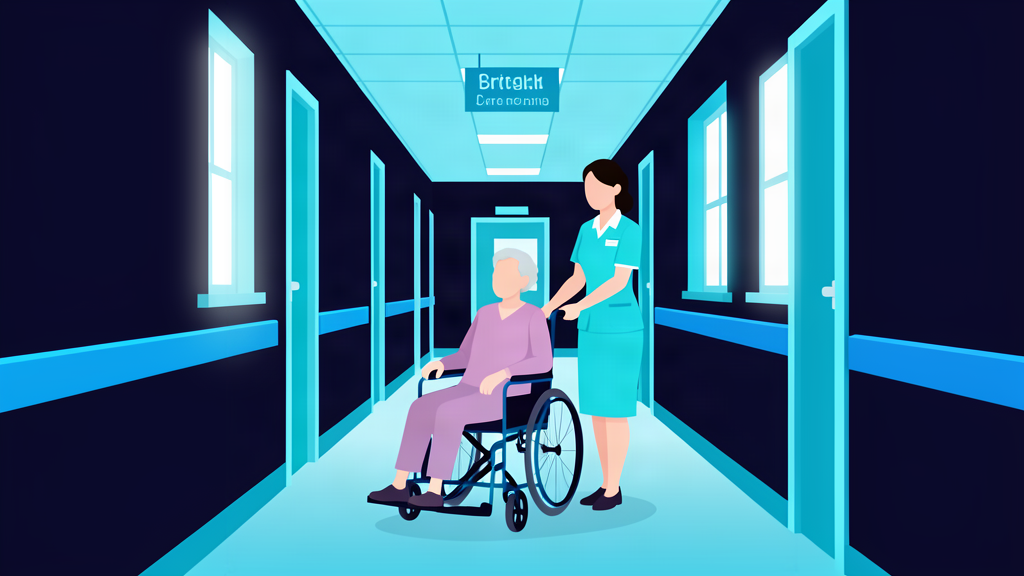
Governments have been ‘asleep at the wheel’ over social care, the head of a major review has said, as Baroness Casey criticises the variability of services and the fees charged to self-funders in England. The criticism lands at a moment of growing concern over the stability of care provision across the country, where families report wide differences in the quality of support depending on where they live.
Baroness Casey’s remarks are understood to reflect the findings of her review, which examined the way social care is commissioned and delivered. She said the system is not working as it should, pointing to inconsistency in services and unpredictability in the fees that people must pay when they have to fund their own care. Self-funders, people who must pay for their care privately because they do not qualify for state help, are understood to be disproportionately affected by the variability.
Why it matters
The case matters because it touches the day-to-day security of hundreds of thousands of families. Social care in England is a mixed system of state-funded and privately funded support, and the gap between the two can be stark. People who have paid into the system for a lifetime can face bills for care that vary dramatically from one area to another, a discrepancy that the review appears to have highlighted. The criticism of government is significant because social care has been a politically sensitive subject for years, with repeated promises to reform the system without success.
What happens next
The review’s conclusions are expected to feed into wider debates about how social care is funded and delivered. The government has been asked to respond to the findings, and officials are likely to face pressure to address the variability that Baroness Casey has drawn attention to. Any change to the funding model or to the way self-funders are charged would have implications for millions of people across England.
The review in detail
According to Baroness Casey, the review found that services vary widely in quality and that the fees charged to self-funders are inconsistent. The head of the review said governments had failed to provide the leadership needed to steady the sector, leaving a system that is complex, unequal and under pressure. She called for action to make sure that the quality of care no longer depends on a person’s postcode.
What it means for England
The criticism is directed at England, where the social care market operates differently from the rest of the UK. Devolved administrations in Scotland, Wales and Northern Ireland run their own care systems, and the review’s findings are understood to relate specifically to England. Whatever changes follow, they will be watched closely by families across the country who are trying to navigate a system that remains difficult to understand and expensive to use.
























We do not allow links of any sort in comments. No SPAM whatsoever. On topic comments only.