

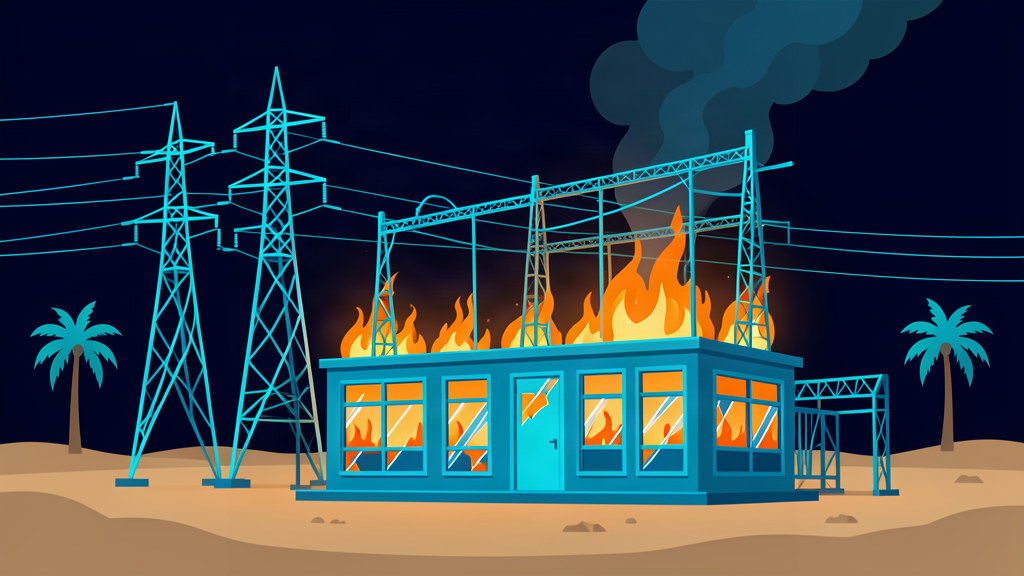
At least four people have been killed and 35 injured in a fire at a power station in Basra, in southern Iraq, according to local officials. The blaze erupted at the Hartha power station, sending flames through metal frames and glass and quickly spreading to homes and shops in the surrounding neighbourhood. Emergency crews were still searching for missing residents in the early hours as fire-tender crews worked through the night to bring the inferno under control.
Why it matters
The fire struck one of the country’s key electricity facilities, worsening shortages in a region where the grid is already stretched by extreme summer heat and years of underinvestment. For UK readers following developments in the Middle East, the incident is a reminder of how exposed energy infrastructure can be to sudden damage, and of the human cost when a fire moves from an industrial site into a nearby residential area.
What happened
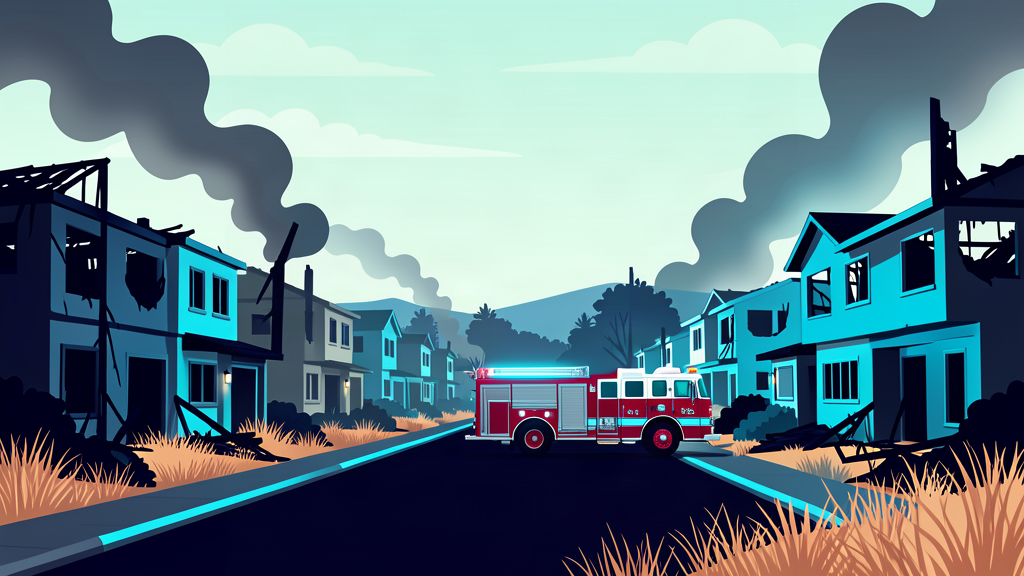
The fire began at the Hartha power station late on a day when grid operators were already working under strain, and flames quickly spread to nearby buildings. Emergency crews were dispatched to the scene and worked through the night to dampen hotspots and rescue residents trapped in the burning zone. Hospitals in Basra treated the injured for burns and smoke inhalation, and officials said search teams were continuing through the wreckage of destroyed homes to check for anyone still unaccounted for.
The scale of the damage
Witnesses described a sudden and dramatic event. Smoke was visible across several neighbourhoods as the fire, which appeared to start inside a substation, jumped to nearby homes and shops. The extent of the destruction was still becoming clear as the blaze was brought under control, with some smaller buildings completely gutted by the heat. None of those killed or injured has yet been identified by officials, who are being careful not to release further details until the full toll is known.
Why it matters
Power station fires carry the risk of wider disruption because they can cut electricity supplies to surrounding towns and reduce national capacity. In southern Iraq, where power cuts are common during the hottest months, a hit to a major station can leave households and businesses without electricity for days and can intensify tensions over the state of the national grid. International energy firms monitor such incidents closely as an indicator of network resilience.
What happens next
Authorities have ordered an immediate inspection of other power facilities in the region to check for similar risks. Engineers are working to repair damaged equipment and restore electricity to affected areas, and investigators are examining the cause of the fire with an electrical fault a likely trigger. The incident adds to a pattern of infrastructure failures that have repeatedly strained public services in the south of the country, and the outcome may shape how quickly those facilities are upgraded or decommissioned.

ADVERTISEMENT
UK attention
Observers in the UK and across Europe have noted that the scale of the destruction also draws attention to the safety standards applied to ageing electrical equipment in areas where grid maintenance is difficult. Analysts tracking climate-linked risk to critical infrastructure have pointed to such failures as a warning for the coming heating season.























We do not allow links of any sort in comments. No SPAM whatsoever. On topic comments only.