

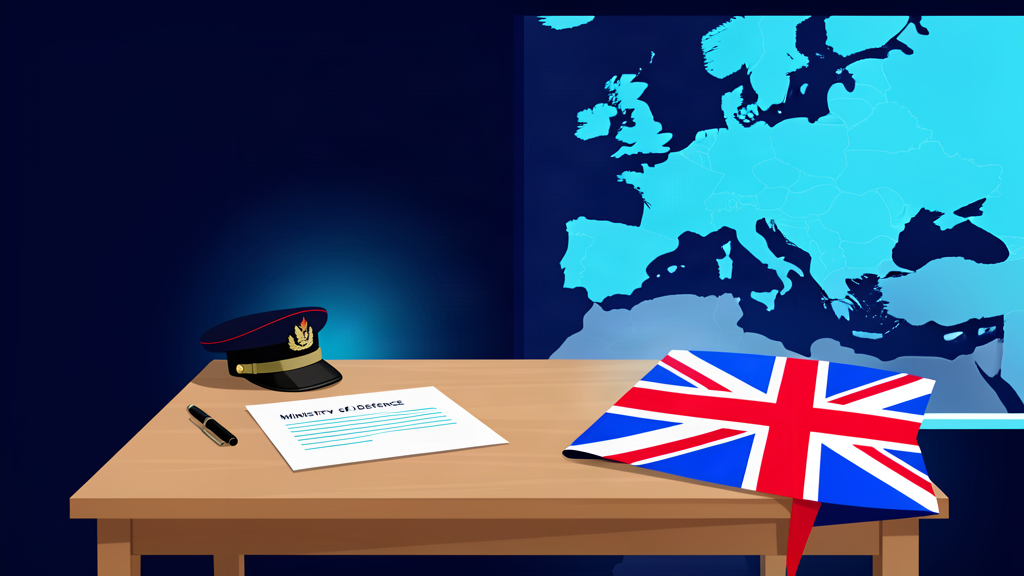
The Ministry of Defence has written to former service personnel to check their contact details and skills as what the Defence Secretary calls a worsening “threat environment” prompts a renewed focus on Britain’s strategic reserve. Wes Streeting said the exercise was about making sure the country knew where its reservists were should they be needed for a national disaster at home or a conflict overseas.
Letters to veterans
The move follows reports in The Times and The Telegraph that reservists who had previously served in the Armed Forces received letters telling them to prepare to be called up for war. The Telegraph reported that the letters offered opportunities to volunteer for training and exercises. Speaking on BBC Radio 4’s Today programme, Streeting framed the contact as an administrative exercise rather than a summons.
“I want the country to be alert, not alarmed,” he said, adding that if reservists were ever needed, the MoD would “know where our strategic reserve is” and what skills those individuals could bring. He told BBC Breakfast that after any future inquiry into a war, the department would be criticised if it had failed to keep its records up to date.
A deteriorating backdrop
Streeting pointed to a series of incidents he said illustrated the scale of the challenge. “You can’t not look at what’s going on in Europe and not be concerned about a threat environment which has deteriorated in recent years and is sadly increasing,” he said, citing what he described as a serious incursion into Polish airspace by Russian missiles, state-sponsored terrorism waged by Russia across Europe, and incidents concerning Iran around RAF bases in the UK.
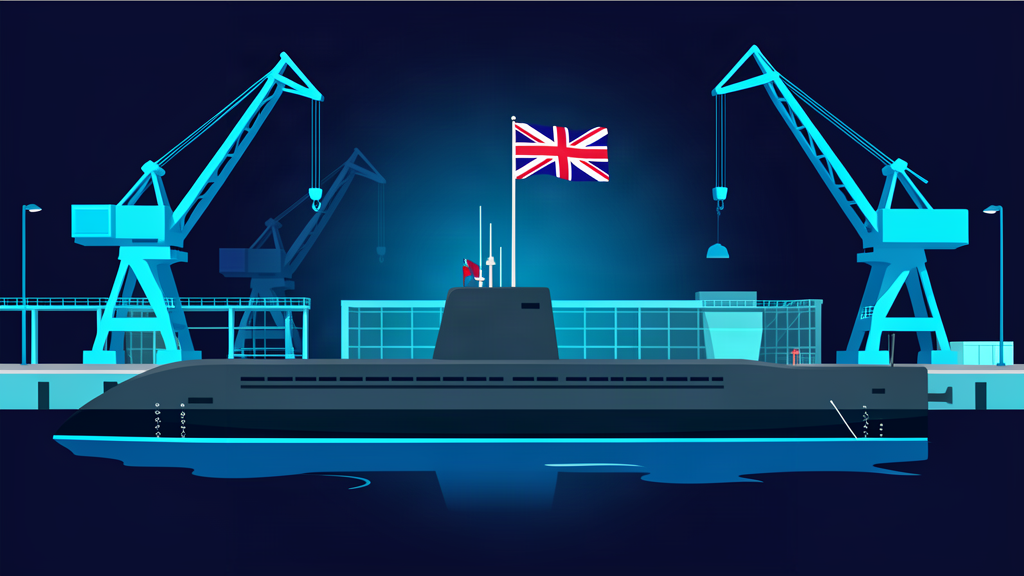
“The more ready we are the less likely we are to find ourselves in a conflict, in a war,” he said, describing deterrence as the government’s goal. The contact with reservists comes alongside a separate £8bn contract to upgrade the nuclear submarine fleet, which the Defence Secretary said would help make Britain “warfighting ready”.
Harry’s offer
Streeting also praised the Duke of Sussex’s “patriotic spirit” after the former soldier said he would rejoin the armed forces if needed. Harry, who spent a decade in the forces and served in Afghanistan, said he would “100%” be there to serve his country if asked. Streeting said he was always happy to talk about how the Duke could contribute, including through the Invictus Games, and that such willingness was “exactly the sort of patriotic spirit” the reserve should have.

ADVERTISEMENT
Why it matters
The reservists are a practical, if often overlooked, part of national defence. Maintaining accurate records matters because modern conflicts and domestic emergencies alike can demand specialist skills that regular forces do not hold in sufficient numbers. The language of “readiness” also signals how ministers are framing the moment to the public.
What happens next
According to BBC News, attention will focus on how many of those contacted volunteer for training and exercises, and whether the government publishes further detail on the size and composition of the strategic reserve. Streeting’s stated aim is to be prepared without alarming the population — a balance that will be tested if the security situation deteriorates further.




















We do not allow links of any sort in comments. No SPAM whatsoever. On topic comments only.