

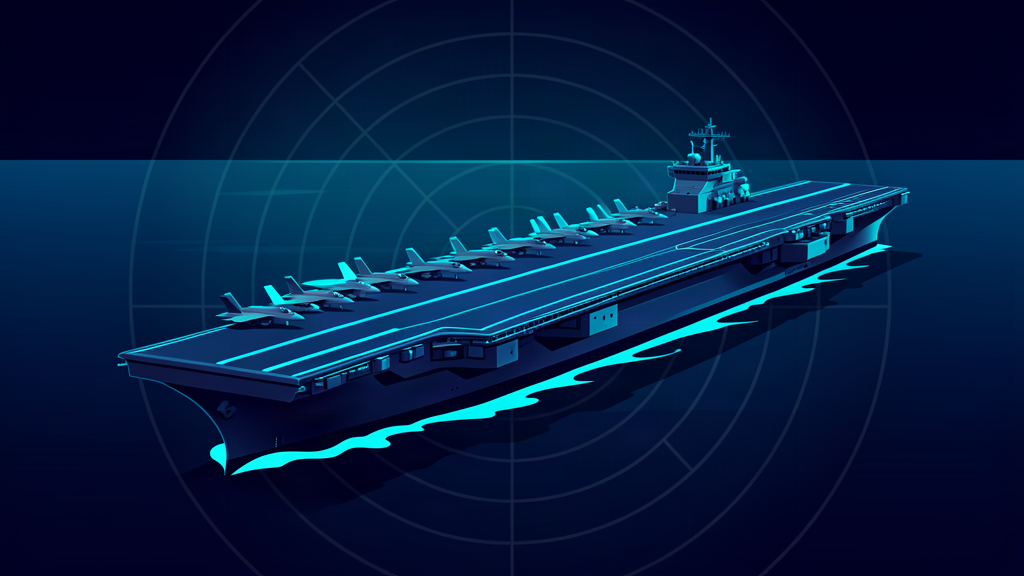
Tracking USS Lincoln’s months-long mission as conditions concern grow
An unusually long deployment at sea
BBC Verify has been using satellite imagery to follow the aircraft carrier USS Lincoln across what is shaping up to be one of the longest deployments ever recorded by an American carrier, as questions grow about the toll the extended mission is taking on its crew. The warship has been at sea for months, moving across strategic waters in a deployment that has kept a sizeable US naval presence close to some of the world’s most volatile regions. Satellite images collected over the period show the carrier repositioning along recognisable routes, offering a rare external view of a mission that the US Navy, for security reasons, usually describes only in broad terms.
The length of the deployment is the detail drawing the most attention. Extended carrier rotations push the limits on crew rest, maintenance schedules and family separation, and analysts have flagged growing concern about the sustainability of such a demanding itinerary. The images compiled by BBC Verify show USS Lincoln still operating and on task as the weeks have stretched into months, but they also point to the strains that accompany any deployment of this duration, from the physical wear on a complex warship to the pressure a long stints at sea places on the sailors aboard and the supply chain supporting them.
Why it matters
The deployment matters on at least two fronts. Strategically, a US carrier operating so long at sea is a central piece of how Washington projects power and reassures allies across the theatre in which it is operating, and any change in its position is read closely by both partners and adversaries. Operationally, the crew-welfare and maintenance implications of such a long tour are significant for the US Navy itself, and are the kind of pressure point that has historically fed debates about tempo and readiness inside the service. For a British audience, the story also connects to how closely allied navies, including the UK’s, watch and coordinate with such large American deployments in shared regions of interest.
The BBC Verify tracking also demonstrates how open-source tools have reshaped scrutiny of military activity, with independent imagery now able to corroborate or question official accounts in real time.
What happens next
Attention will now turn to how much longer USS Lincoln remains at sea and when the navy signals a return to port or a handover to another carrier. Further satellite passes and official statements are expected to clarify the trajectory of the mission, and the US Navy will face continued questions about the burden the deployment places on its crew. If the mission stretches on, expectations of growing scrutiny and commentary about sustainability are likely to follow.
Source: BBC News (via Your News Website rewrite).

ADVERTISEMENT
Source: Original report. Rewrite for Your News Website.






















Really helpful article, thank you – looking forward to more like this!