

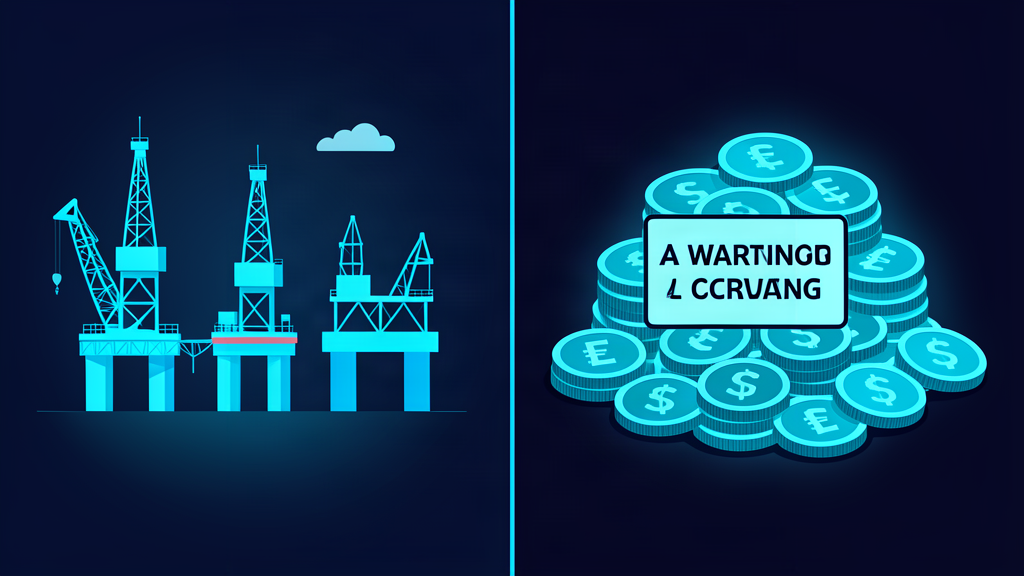
Campaigners have warned that scrapping the UK’s windfall tax on oil and gas companies early could cost the country up to £8.6 billion by 2030, raising fresh questions about the government’s approach to energy taxation and the transition to cleaner power.
The windfall tax, introduced in 2022 during the global energy price surge, was designed to capture excess profits from fossil fuel producers during a period of extraordinary market conditions. With energy prices having stabilised in the years since, industry voices have increasingly pressed ministers to unwind the levy, arguing it deters investment in North Sea production and undermines energy security.
The scale of the potential cost
The £8.6 billion figure, cited by campaign groups monitoring the policy debate, represents the estimated cumulative loss to the public purse if the tax were removed prematurely across the remaining life of the current regime. The estimate takes into account projected production volumes from UK waters, prevailing wholesale prices, and the tax rates applied under the existing structure.
Supporters of the windfall tax argue that without it, a sector that has returned to strong profitability would pay substantially less than it otherwise would, at a time when households and businesses remain sensitive to energy costs and public finances face competing pressures.
Industry arguments for early repeal
Oil and gas industry bodies have long contended that the windfall tax was always intended as a temporary measure tied to crisis conditions, not a permanent feature of the UK’s fiscal framework. They argue that Persistently high tax rates create uncertainty for investors and can tip the balance against otherwise viable projects in mature basins such as the North Sea, where extraction costs are already high by global standards.
From this perspective, the case for removal rests on energy security as much as economics: the more domestic production that is commercially viable, the less the UK relies on imported gas at volatile world prices. That argument has gained traction with some policymakers wary of repeating the import dependence exposed during earlier supply disruptions.

ADVERTISEMENT
Why it matters
The question sits at the intersection of three competing priorities — raising revenue, supporting domestic energy production, and managing the longer-term shift away from fossil fuels. A decision to remove the tax early would hand a significant financial concession to the sector while narrowing the government’s options on funding for energy transition initiatives, consumer support, and deficit reduction.
For consumers, the stakes are less direct but still material: the government’s choices on oil and gas taxation feed into the overall fiscal picture that shapes spending on energy bill support, grid infrastructure, and the incentives that determine how quickly new renewable capacity reaches the market.
For the industry, the outcome influences investment decisions on fields that are already operating, on new licensing rounds, and on the pace at which firms commit capital to electrification and other decarbonisation projects that increasingly form part of the licensing conditions for new development.
What happens next
Attention now turns to the Treasury’s next moves on the policy. Any decision to adjust or remove the windfall tax would typically be signalled in a fiscal event or a spring or autumn budget, though ad hoc adjustments are not unprecedented in a sector where profitability can shift sharply with the price of oil and gas.
Campaigners are expected to keep pressure on ministers to commit to a clear timetable for the tax’s future, arguing that uncertainty alone is enough to complicate long-term planning for both government and industry. Against that, the government will have to weigh the immediate political cost of maintaining a levy that has become politically contested, against the longer-term fiscal and climate implications of letting it lapse.
For now, the debate remains live, with no final decision announced and both sides positioning for what is likely to be a protracted argument over the future of energy taxation in the UK.

















We do not allow links of any sort in comments. No SPAM whatsoever. On topic comments only.