

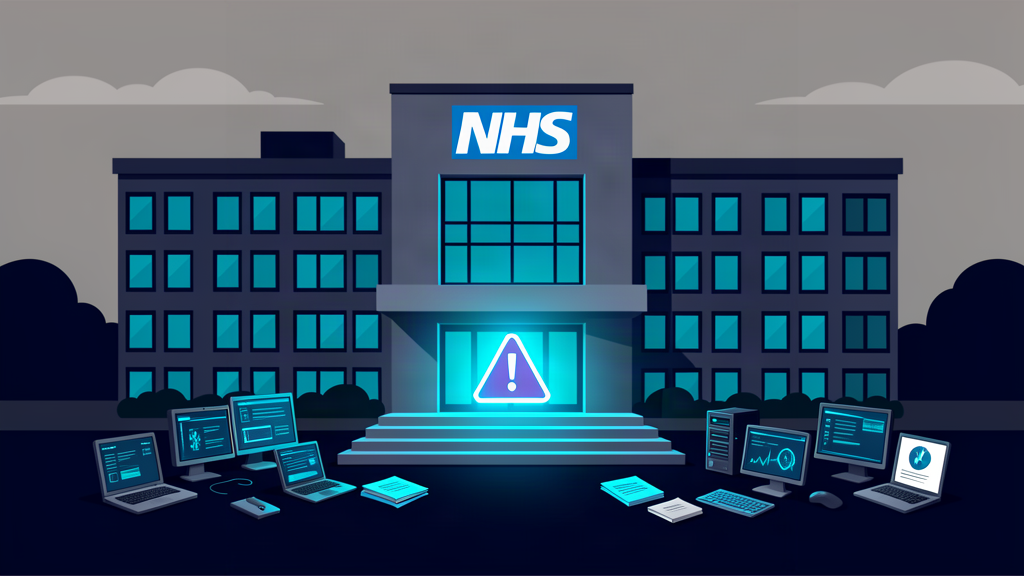
An NHS trust has apologised unreservedly to the family of Noah Woods for the “extra anguish” caused after a data breach exposed his medical records, and has launched an investigation into how the incident occurred. The case has drawn attention to the vulnerability of sensitive health information within the NHS and to the personal impact that a data breach can have on the individuals involved, beyond the bureaucratic or technical language that usually surrounds such incidents.
The breach affected medical records connected to Noah Woods, whose case has already attracted public attention for other reasons. According to the trust’s statement, the breach caused the family additional distress at a difficult time, and the trust has accepted responsibility for the failure that led to the information being exposed. The apology was issued alongside the announcement of a formal investigation, which is intended to establish how the breach happened and what steps need to be taken to reduce the chance of a repeat.
What the trust has said
The trust’s statement made clear that it was sorry for the impact on the family and that it was treating the matter seriously. An unreserved apology is a significant phrase in this context: it signals that the organisation is not attempting to minimise the incident, and that it accepts at least some responsibility for what occurred. The trust has also said that an investigation is underway, which is the standard next step in NHS data incidents where there is a question about how a breach happened and whether existing safeguards were adequate.
Data breaches involving medical records are particularly sensitive because the information they contain is both personal and potentially damaging if disclosed. The NHS holds some of the most detailed personal data available about patients, and trusts are expected to have controls in place to limit access, monitor usage, and secure records against accidental or unauthorised disclosure. When those controls fail, the result can be more than an administrative problem; it can mean that an individual’s private medical history becomes visible to people who should not see it.
Why NHS data breaches are treated seriously
Health data is categorised as special category data under data protection law, which means it receives a higher level of protection than ordinary personal information. That reflects both the sensitivity of the content and the potential harm that disclosure can cause. A breach of medical records can expose details about a person’s diagnosis, treatment, mental health, or family circumstances — information that many patients would not want shared beyond their care team.
For the NHS, the stakes are also institutional. Trust-level data breaches can lead to regulatory scrutiny, reputational damage, and questions about whether the measures in place at the time of the incident were sufficient. Where a breach affects a high-profile case, as with Noah Woods, it can also attract public and media attention that amplifies the pressure on the trust to show that it understands what went wrong and is acting on it.

ADVERTISEMENT
Why it matters
This case matters because it brings together two things that do not always receive enough attention together: the technical question of how a data breach happens, and the human question of what that breach means for the people it affects. Data incidents in the NHS are often reported in terms of record counts, categories of information, and compliance steps. Those details matter, but so does the immediate impact on the individuals involved. An apology that recognises the added distress caused to a family is a reminder that behind the technical language of data protection are real people whose privacy has been compromised.
The case also reinforces the broader point that NHS data security is not an abstract compliance exercise. The information held by trusts is deeply personal, and the safeguards around it need to work in practice, not just on paper. When they do not, the consequences can be severe for patients and their families, and the trust responsible has to be able to show that it has learned from the incident rather than merely acknowledging it.
What happens next
The trust’s investigation is expected to examine the circumstances that allowed the breach to occur and to identify any weaknesses in process, access controls, or staff handling of information. Depending on what it finds, there may be further updates from the trust, changes to internal procedures, or referral to the appropriate regulatory or oversight bodies. The family are likely to be waiting for the outcome of the investigation and for confirmation that the steps promised are actually being taken.
In the meantime, the case remains a live reminder of the responsibility that NHS organisations carry when they hold sensitive patient information, and of the importance of transparency when something goes wrong.









We do not allow links of any sort in comments. No SPAM whatsoever. On topic comments only.