

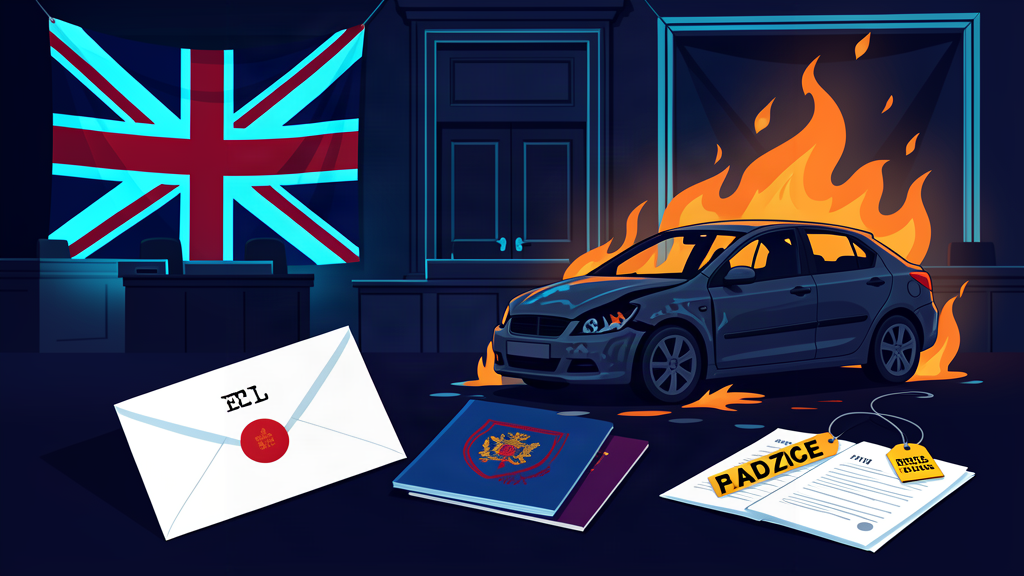
Stanislav Carpiuc, the Ukrainian-born Romanian national who plotted arson attacks on the former prime minister’s property, has been deported from the UK, the Home Office announced after he completed a two-year prison sentence handed down in June. The deportation closes the latest chapter of a case the BBC traced back to a Russian state-linked handler identified only as “EL.”
The attacks on Starmer’s property
The arson campaign began on 8 May 2025, when a car once owned by Sir Keir Starmer was found ablaze on a street in north London where he had previously lived. Three days later, a fire was discovered at flats linked to Starmer in Islington, and the next day another blaze was reported at the entrance to his rented Kentish Town home. A resident of that flat, Judith Alexander, told the trial that she saw billowing black smoke rising up the stairs while inside with her partner and daughter.
Carpiuc and a second man, 22-year-old Roman Lavrynovych, were convicted of conspiring together and “with others” to damage property by fire between 1 April and 13 May 2025. Lavrynovych received a seven-year sentence; Carpiuc was jailed for two years.
A Russian link
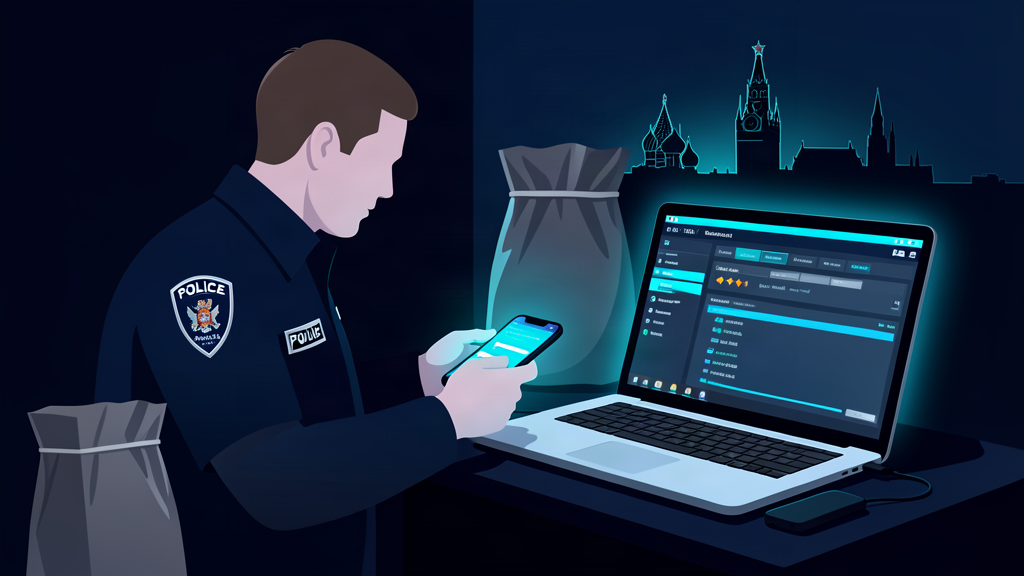
A BBC investigation revealed the attacks formed part of an extensive campaign of sabotage, provocation and disinformation reaching back to the Russian state. The pair’s handler, known only as “EL,” allegedly promised Lavrynovych payment and offered Russian citizenship in exchange for further attacks, glorifying President Vladimir Putin throughout. Evidence gathered by the broadcaster suggests “EL” was a young Russian diplomat operating from an official post in London.
Home Office response
A Home Office spokesperson called the attack “abhorrent” and said the conviction and imprisonment of those responsible “should send a clear message to anyone blinded by the promise of money from strangers. You will be caught and face severe consequences.” On Carpiuc’s removal, the spokesperson added that the individual “has now been deported from the UK,” without specifying to which country he was returned.
Why it matters
The case illustrates how Russian influence operations have moved beyond online disinformation to include coordinated physical attacks on senior UK political figures. While this case involved arson rather than cyber intrusion, it underscores the breadth of the threat from state-sponsored actors operating through intermediaries and anonymous handlers — and the difficulty of tracking the paper trail back to their sponsors.

ADVERTISEMENT
What happens next
Lavrynovych remains in prison serving his seven-year term. The Home Office has not indicated whether further deportations related to the case are planned or whether additional suspects linked to “EL” are under investigation. Security sources say counter-terrorism units continue to assess the wider network behind the campaign, and a full picture of the Russian connection is expected as the investigation proceeds.











We do not allow links of any sort in comments. No SPAM whatsoever. On topic comments only.