

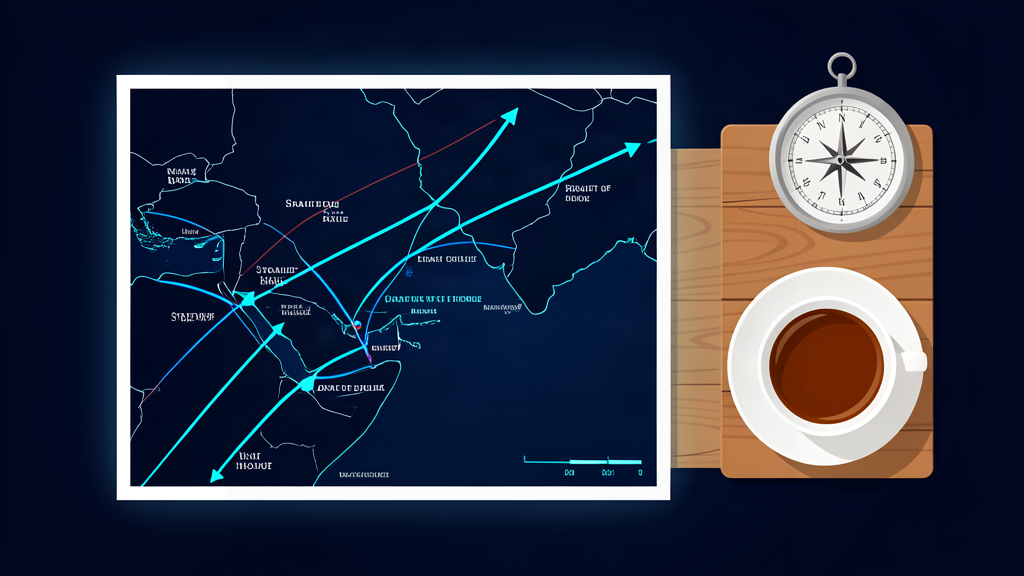
Tehran says a tanker hit a naval mine and caught fire, marking the third such incident in 24 hours near the Strait of Hormuz, while a new Qatar-Turkiye defence pact reshapes the security map of the Gulf. For the UK, the escalation carries direct implications for energy supplies, naval deployment and the cost of shipping through one of the world’s most strategically important waterways.
The incident
Iran’s navy has said that a tanker hit a naval mine and caught fire, accusing the vessel of operating in a prohibited area. The claim, reported by Al Jazeera, marks the third such incident over the past 24 hours, according to the broadcaster.
The incident comes as fighting in Yemen continues to displace civilians, with a new defence pact between Qatar and Turkiye signalling a shift in the region’s security posture.
Why it matters
The Strait of Hormuz is a narrow waterway through which a substantial share of the world’s oil passes. Incidents near the waterway can tighten global energy supplies and push up prices, a direct concern for UK consumers and for the UK government, which maintains a naval presence in the Gulf and a responsibility for the security of British-registered shipping.
The dispute also threatens to disrupt the supply of liquefied natural gas from Qatar, a key source of UK energy, and to complicate the delivery of humanitarian aid to civilians in Yemen. The clash of naval forces in the Gulf raises the risk of disruption to the movement of oil, gas and other cargoes on which the UK economy depends.
Analysts warn that any prolonged blockage of the waterway could force up wholesale energy prices and add to inflationary pressure on households, pushing the cost of living higher for British families.

ADVERTISEMENT
The diplomatic layer
Qatar and Turkiye have signed a mutual defence pact, agreeing to take “a unified stance in confronting any external armed attack targeting either party”. The deal, announced in Doha, is a message of deterrence as fighting in Yemen continues to displace civilians.
The UK exposure
The UK has a direct economic interest in the Strait of Hormuz, through which a substantial share of the world’s crude oil passes. Shipping insurers have already warned of rising premiums for vessels transiting the Gulf, a cost that is typically passed through the supply chain to consumers in higher petrol and haulage prices.
The Ministry of Defence maintains a permanent presence in the region, and British-flagged tankers transit the waterway daily. The government’s priority is ensuring the safe passage of its assets and merchant shipping, while keeping the domestic economic consequences under review.
What happens next
Security forces in the region are expected to continue policing the waterway, with tanker movements subject to the risk of further incidents. For the UK, the priority is safeguarding its naval assets and merchant shipping in the area and monitoring any wider escalation.
Ministers are monitoring the situation closely and are in contact with regional partners and NATO allies. The government has repeatedly warned that any disruption to global energy supplies would have a direct impact on household budgets, and is holding emergency talks with fuel companies and importers.





















We do not allow links of any sort in comments. No SPAM whatsoever. On topic comments only.