

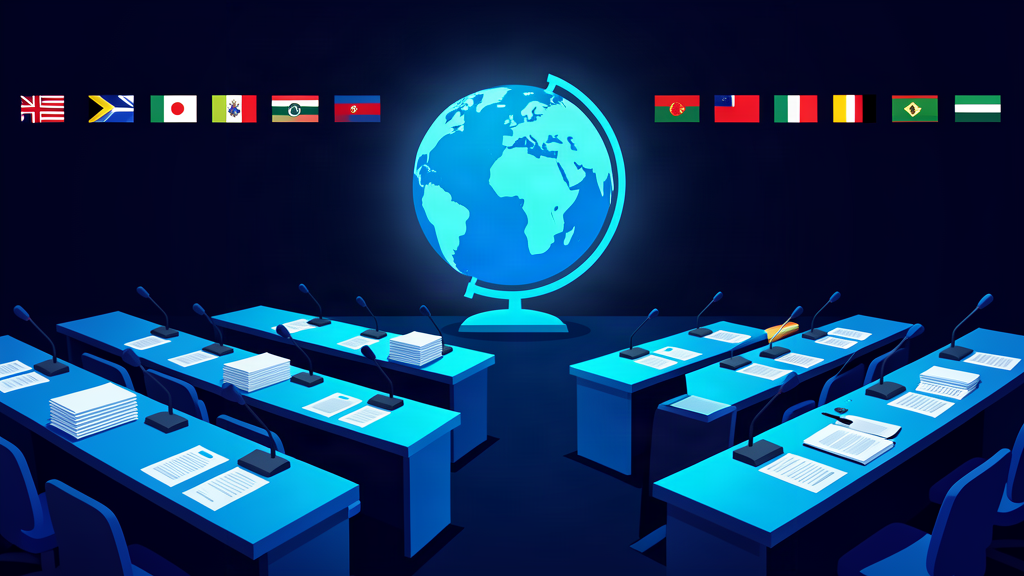
Negotiators at the COP31 climate summit in Turkey are working into a second day of overtime as a new draft agreement attempts to prevent the talks from ending without a deal. The draft text is designed to bridge deep divisions between countries over fossil fuels and finance, with the UN climate chief warning that if agreement is not reached on the small number of outstanding issues, there will be no deal at all. More than 100 world leaders attended the opening of the summit, but the hard work has been left to ministers and officials trying to reconcile positions that remain far apart.
Where the negotiations stand
Delegates have agreed on most of the text, according to the BBC report, but the most sensitive questions remain unresolved. The central dispute concerns how the world should “transition away” from fossil fuels – coal, oil and gas. Some countries insist the final document must name those fuels explicitly, while others oppose language they fear would commit them to rapid changes they are not prepared to make. Developing countries are pressing for far more financial support from wealthier nations, pointing to fires, floods and droughts this year as evidence that the costs of warming are arriving faster than expected. The UN says rich countries should provide at least three times the finance previously pledged by 2035, and work is continuing on a broader target of at least one trillion dollars a year from wealthy to developing nations.
Why it matters
The stakes are unusually high because the goal of limiting warming to 1.5C, set in the 2015 Paris agreement, is expected to be breached early in the next decade. That makes this round of negotiations more than a diplomatic exercise: the finance and energy commitments made here shape the pace at which countries can cut emissions and protect vulnerable communities. Britain has a particular interest in the outcome. As a major historic emitter, a significant financial contributor and a frequent host of climate talks, the UK’s position on both the fossil-fuel wording and the finance package will be closely watched. A weak deal would leave the same arguments to be revisited at a later summit, at greater cost.
What happens next
The new draft now goes back into negotiations, with the UN climate chief stressing that the decision is in the hands of the parties and that a bad deal would be worse than none. Negotiators must find language on fossil fuels that enough countries can accept while producing a finance figure that developing nations consider credible. If they succeed, a final text can be put to the plenary for adoption; if they fail, the summit will end without the agreement leaders had hoped to announce. Either outcome will set the tone for the next round of climate talks, and for the governments that must turn the words into domestic policy.
Read the original report at BBC News – https://www.bbc.co.uk/news/articles/cq7827z2841zo



















We do not allow links of any sort in comments. No SPAM whatsoever. On topic comments only.