

Why the UK should pay attention
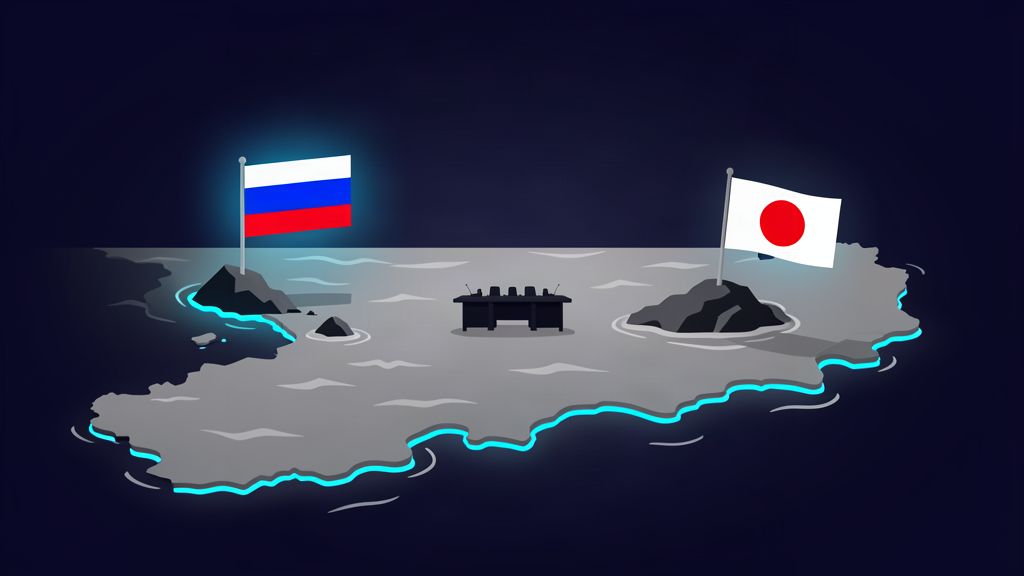
Japan has condemned Vladimir Putin’s first-ever visit to the disputed Kuril Islands as “absolutely unacceptable,” summoning Russia’s ambassador and warning that the islands — seized by Soviet forces at the end of the Second World War — remain Japanese territory under international law. While the standoff is thousands of miles from British shores, it lands squarely in the web of alliances that defines the UK’s own confrontation with Moscow and the wider contest over the rules-based order.
The territorial dispute
The Kuril chain, known in Japan as the Northern Territories, has been contested since 1945. Putin’s trip — the first by a Russian or Soviet leader to the islands — is a pointed assertion of control at a moment when Russia is increasingly isolated from the West. Tokyo called the move a unilateral escalation that undermines the legal order both countries claim to respect, and a provocation timed to signal that Moscow will not surrender territory won in war.
Tokyo’s response
Prime Minister Sanae Takaichi condemned the visit in blunt terms, while Foreign Minister Toshimitsu Motegi summoned the Russian ambassador to deliver a formal protest. The episode freezes any prospect of a peace treaty that has eluded the two nations for eight decades, and complicates Japan’s delicate balancing act between deterring Russia and managing its relationship with neighbouring China.
The UK and Western solidarity
For the UK, the row underscores a simple reality: Russia’s willingness to challenge borders by fait accompli is not confined to Ukraine. Britain has been among the fiercest supporters of Kyiv and has imposed sweeping sanctions on Moscow. A Russia emboldened in the Pacific is a Russia more difficult to contain in Europe, and the Foreign Office will be watching whether Tokyo’s protest draws a coordinated G7 response that reinforces the rules-based international order.
Energy and security ripple effects
Disputed waters around the islands are rich in fish and potentially hydrocarbons. Instability there complicates already fragile global supply chains at a time when the UK is battling inflation and seeking to diversify energy imports away from Russian sources. Any disruption to Pacific shipping lanes also touches the trade routes that carry goods to British consumers and manufacturers.
Britain’s own maritime stakes
The UK has its own live disputes over maritime boundaries and the protection of undersea infrastructure, from communications cables to gas pipelines. Moscow’s playbook in the Kurils — asserting control through physical presence — echoes the behaviour the Royal Navy has tracked closer to home, reinforcing the case for sustained British investment in maritime surveillance and patrols.

ADVERTISEMENT
A precedent for the Arctic
The episode also carries a warning for the Arctic, where Russia has rapidly militarised its northern flank and where contested waters could become the next flashpoint. For the UK, with its responsibilities in the North Atlantic, the Kuril dispute is a rehearsal for how far Moscow is prepared to push territorial claims under the cover of distraction elsewhere.
What happens next
Diplomats expect the dispute to harden rather than soften. With war raging in Ukraine and relations between Moscow and the West at a post-Cold War low, the Kuril Islands have become another front in a broader struggle over the rules-based order — one in which the UK, alongside its allies, has a clear stake.
This article was rewritten for Your News Website from the original Guardian report — read the full story via the source link below.



















We do not allow links of any sort in comments. No SPAM whatsoever. On topic comments only.