

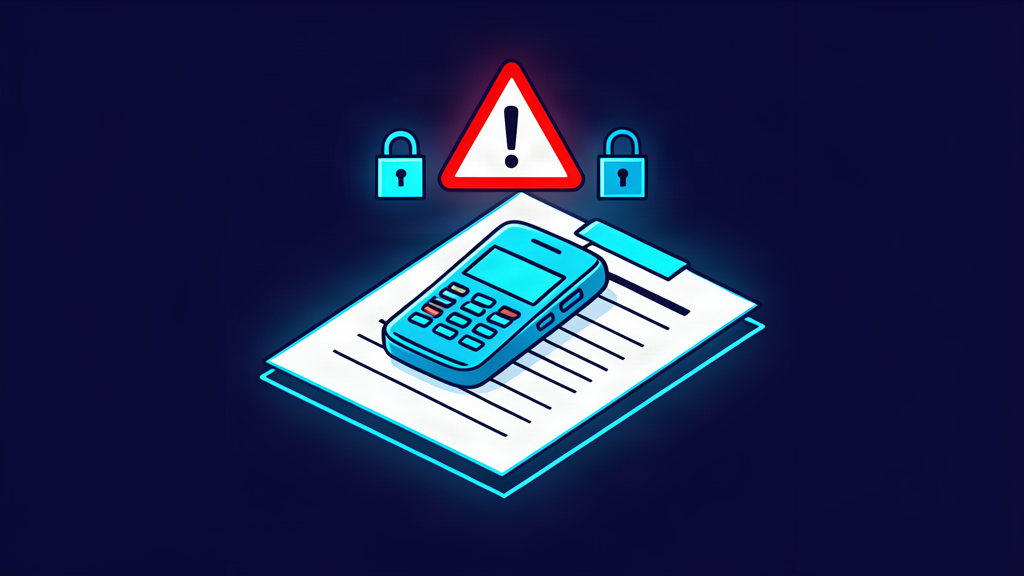
An NHS specialist service responsible for transplant patients across the United Kingdom has acknowledged a serious data breach after confirming that highly sensitive medical information was sent over a pager network that was not encrypted. The disclosure means protected health records could in principle have been captured by anyone with the right receiver in range of the signal.
What the NHS has admitted
The service, which supports transplant patients nationwide, confirmed that clinical messages containing confidential details were transmitted across an unencrypted pager system. Because pagers broadcast on open radio frequencies, the information was not shielded by the encryption and access controls that modern health systems are expected to maintain.
How an old technology created a modern risk
Pagers remain in use across parts of the NHS because they are dependable inside hospitals where mobile coverage can be patchy. Yet many of these devices relay messages in the clear. When clinical teams used that network to share patient information, they inadvertently opened a channel that bypassed the safeguards meant to protect it.
Why transplant data is especially sensitive
Transplant records sit among the most private categories of medical data. They can reveal a person’s underlying condition, treatment pathway and, in some cases, their identity when combined with other details. A leak of this kind is not merely an administrative failure; it strikes at the confidential relationship between patients and the health service that treats them.
The UK regulatory backdrop
In Britain the handling of health data is governed by the UK GDPR and the Data Protection Act 2018, with the Information Commissioner’s Office (ICO) tasked with investigating breaches. Organisations that fail to protect personal data can face significant fines and enforcement notices, and the ICO has previously scrutinised NHS bodies over lax security.
What patients should expect
Under data-protection law, affected individuals generally have a right to be told when their personal information has been compromised in a way that risks their rights and freedoms. Patients who believe they may be affected should watch for communication from the service and can raise concerns directly with the provider or the ICO.

ADVERTISEMENT
A pattern across public services
The incident fits a wider pattern in which legacy equipment that is reliable in practice becomes a liability under modern security expectations. Trustees, clinicians and IT leaders are increasingly pressed to map where unencrypted channels still carry patient data and to retire or replace them before a breach forces the issue.
What happens next
The service has admitted the breach, but questions remain about how long the practice continued and how many patients were exposed. A formal investigation is the expected next step, and any regulator’s findings could shape how the NHS modernises its communications infrastructure. For now, the episode is a pointed reminder that data security is only as strong as its weakest, oldest link.
Source: Original report. Rewrite for Your News Website.







Appreciate the clear coverage here — these stories aren’t always easy to follow.