

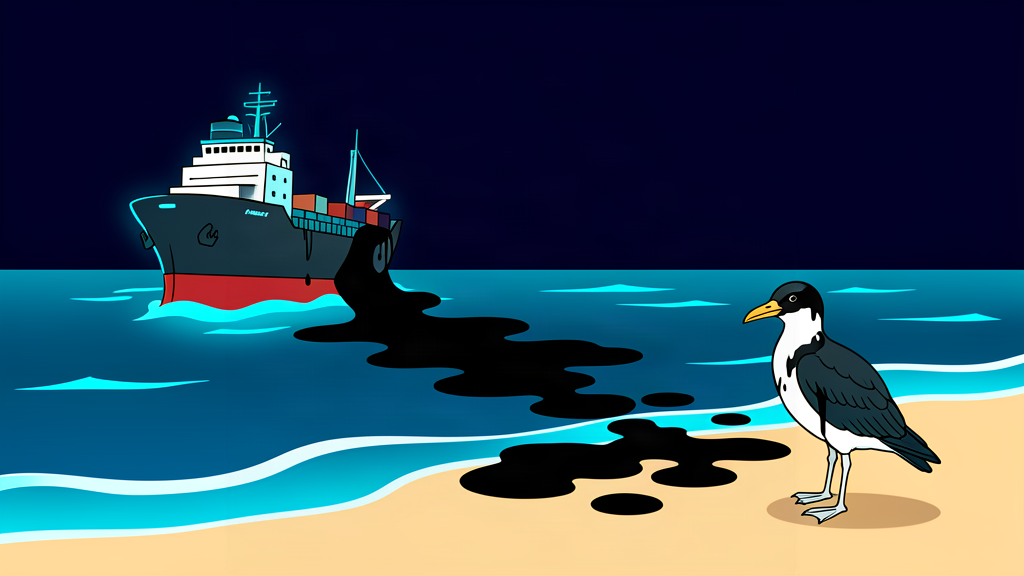
A major oil slick is washing onto Iranian beaches after a ship was attacked on 3 August, and experts warn the spreading pollution threatens vulnerable wildlife, with knock-on risks for global oil prices and UK households.
How the slick began
Experts speaking to BBC Verify say the pollution traces back to a vessel that was attacked on 3 August. What started as a single maritime incident has since unfolded into a slow-moving environmental disaster, with thick oil now reaching the shoreline and staining stretches of coast that are home to fragile ecosystems.
Wildlife under threat
The affected coastline shelters vulnerable species, and conservation specialists fear the worst for birds, marine life and the habitats that sustain them. Oil coating feathers or fur destroys the insulation animals rely on, while contaminated water and sediment can poison creatures further up the food chain. Recovery from such spills is measured in years, not weeks.
Why this stretch of coast matters
Beyond its ecological value, the region sits near some of the world’s most important shipping lanes. Any disruption to tanker traffic in the wider area reverberates through energy markets, because the Gulf funnels a large share of the crude that refineries across Europe and Asia depend on.
The UK connection: fuel and bills
For British readers, the story is not confined to the Middle East. When supply routes are disrupted or feared disrupted, crude prices tend to climb, and those movements filter through to the petrol pump and to household heating costs within days. The UK imports a substantial portion of its energy, leaving families exposed to volatility thousands of miles away.
Inflation and the cost of living
Higher oil prices feed inflation, squeeze transport and manufacturing costs, and ultimately land on shopping baskets across the country. With UK households still sensitive to energy shocks, even a distant spill can reshape the monthly budget and complicate the Bank of England’s task of holding prices steady.

ADVERTISEMENT
Diplomatic ripple effects
Tackling a slick of this scale requires booms, skimmers and dispersants, alongside coordinated crews working against tides and weather. Attribution of the original attack will matter for any legal or diplomatic response, and analysts are watching whether the incident escalates tensions in an already volatile region.
What to watch
The trajectory of the slick, the speed of the clean-up and any further attacks on shipping will determine the environmental and economic fallout. For now, the episode is a reminder of how tightly the health of distant coastlines is bound to the price Britons pay at home.
Source: Original report. Rewrite for Your News Website.













We do not allow links of any sort in comments. No SPAM whatsoever. On topic comments only.