

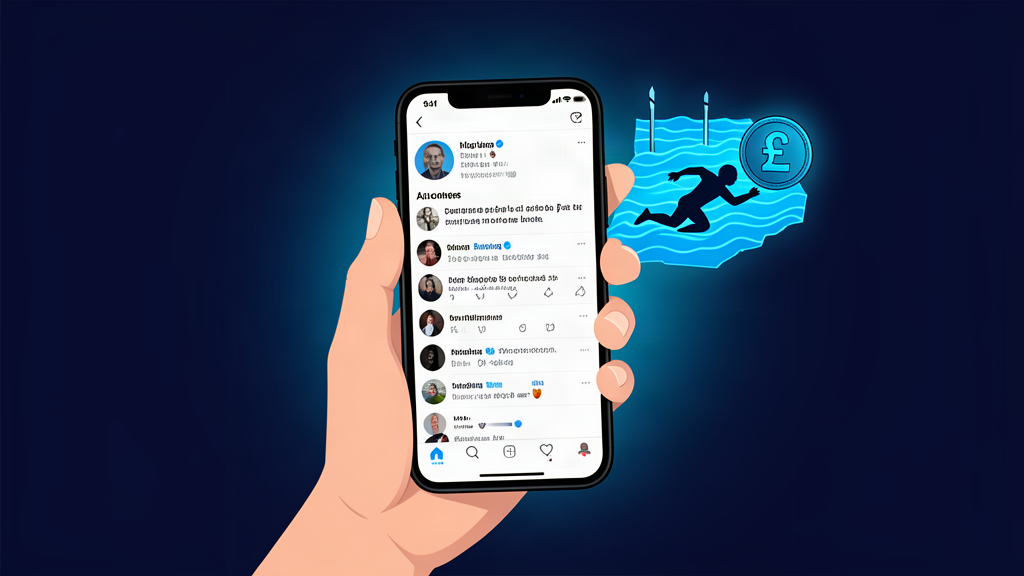
A BBC investigation has uncovered a network of Instagram accounts charging desperate migrants for paid “advice” on how to swim around the heavily fortified Morocco-Ceuta border fence — a practice that is fuelling one of the Mediterranean’s most dangerous crossing routes.
How the Instagram network operates
The BBC’s Top Comment podcast found dozens of profiles glamourising the swim between Morocco and the Spanish enclave of Ceuta. Some openly advertise coaching packages, promising tips on timing, currents and the best stretches of coastline to attempt the crossing. For a fee, would-be migrants are told where to enter the water and how to evade patrols, turning a lethal journey into a commodified product sold through a mainstream social platform.
The perilous Ceuta swim
Ceuta is surrounded by a double fence and watched by both Spanish and Moroccan forces, but the sea route has become the favoured alternative. Swimmers face strong currents, cold water and the constant risk of being swept into shipping lanes. Rescue services on both sides are stretched, and every summer brings fresh fatalities. By packaging the crossing as achievable with the right “guidance”, the accounts downplay risks that have already cost many lives.
A platform problem with global reach
What makes the scheme insidious is its visibility. Instagram’s algorithms can surface these profiles to users searching migration terms, while paid promotion tools let operators target vulnerable audiences. The accounts often use uplifting imagery to normalise the journey, blurring the line between information and exploitation.
Why this matters for the UK
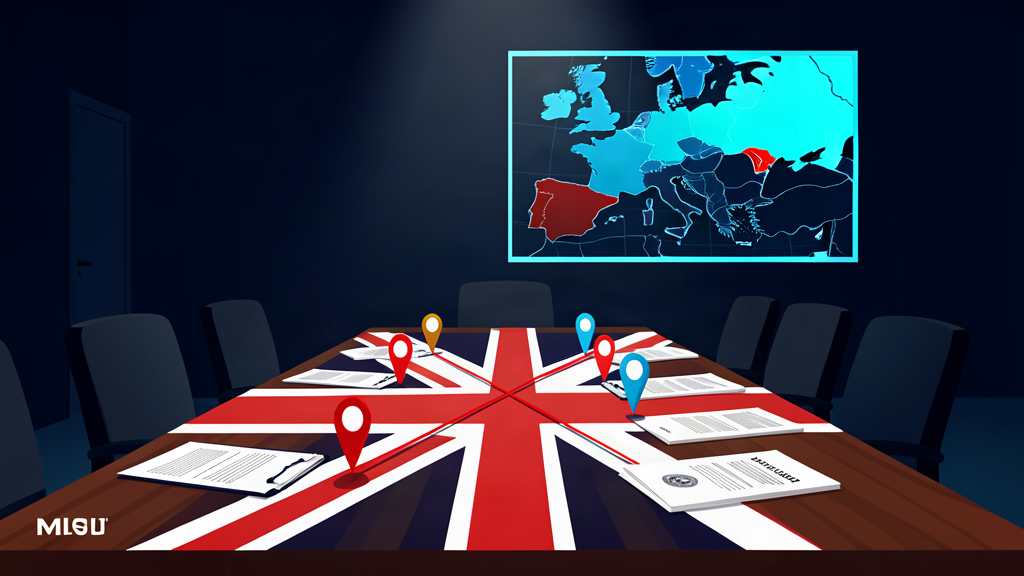
Britain is not a bystander. The same platform dynamics that drive the Ceuta trade also shape the small-boat crossings of the English Channel, which remain a defining political flashpoint for the UK government. Home Office ministers have repeatedly argued that social media firms must take responsibility for content that facilitates illegal migration, and this case hands them a concrete example. For UK taxpayers, the cost of border enforcement, asylum processing and rescue operations is rising in step with the demand these networks help generate.
What British regulators could do
Under the Online Safety Act, Ofcom now has powers to compel platforms to act on illegal and harmful content, including material that endangers life. Campaigners say accounts that monetise dangerous crossings should be removed and their operators referred to authorities. There are also questions about whether paid promotion of such content breaches advertising standards.

ADVERTISEMENT
The bigger picture
Migration pressures across the Strait of Gibraltar are unlikely to ease while conflict, poverty and climate stress push people north. But the commercialisation of the Ceuta swim shows how a single app can amplify risk for profit. As the UK debates its own border strategy, the lesson is blunt: tackling dangerous crossings means confronting the digital marketplaces that sell them.
The commercialisation of the Ceuta swim shows how a single app can amplify risk for profit, and confronting those digital marketplaces is now part of the UK’s border challenge.
Source: Original report. Rewrite for Your News Website.


















We do not allow links of any sort in comments. No SPAM whatsoever. On topic comments only.