

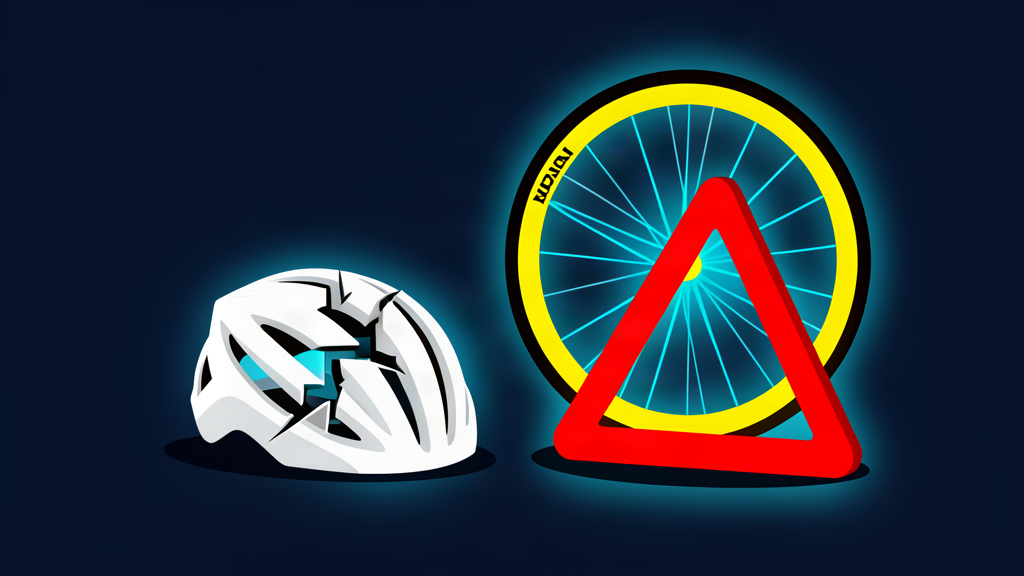
Cycling union demands action after Tarling death
The cyclists’ union has voiced “fury” at the death of British rider Fin Tarling during Friday’s stage of the Volta a Portugal, calling for immediate improvements to safety equipment — above all, better helmets. The statement, issued after the 21-year-old was fatally injured, reflects deep frustration within the peloton at protections it argues have not kept pace with the sport’s rising speeds.
“Fury” at a preventable tragedy
Union representatives said the riding community was “angry and heartbroken” and warned that expressions of sympathy were not enough. They are pressing race organisers and governing bodies to accelerate the introduction of helmet standards designed to withstand the high-energy impacts seen in modern professional racing.
The anger is not new. Riders have long used their platforms to highlight dangers they say are accepted too readily — from high-speed descents on open roads to the relentless racing calendar that leaves little time to recover. Tarling’s death, they argue, is the sharpest possible evidence that voluntary measures have fallen short.
For British fans, the demand lands close to home. Tarling was a product of the UK’s cycling pathway, and his death has turned a technical safety debate into a national conversation about how the sport protects its riders.
Are current helmets good enough?
Modern road helmets are lightweight and well ventilated, but critics argue they are engineered for comfort more than for the violent, oblique impacts that occur at race speeds. The union wants research and regulation to push manufacturers toward head protection that performs better in real-world crashes.
Beyond helmets, the union is expected to raise wider questions: the design of race courses, the presence of obstacles and barriers, and the protocols that govern fast sections of stage races.

ADVERTISEMENT
What British Cycling is being asked to do
Attention in the UK will turn to British Cycling and the teams that develop young talent. The union’s intervention adds weight to calls for a coordinated, sport-wide review rather than a piecemeal response from individual teams.
NSN Development, Tarling’s team, has already withdrawn from the Volta a Portugal, and tributes have poured in from riders and former champions alike. But the union’s message is that grief must be matched by change.
As investigations continue in Portugal, the British cycling community is united on one point: Fin Tarling’s death must become the moment the sport finally raises the bar on rider safety.
Source: Original report. Rewrite for Your News Website.





















Really helpful article, thank you – looking forward to more like this!