

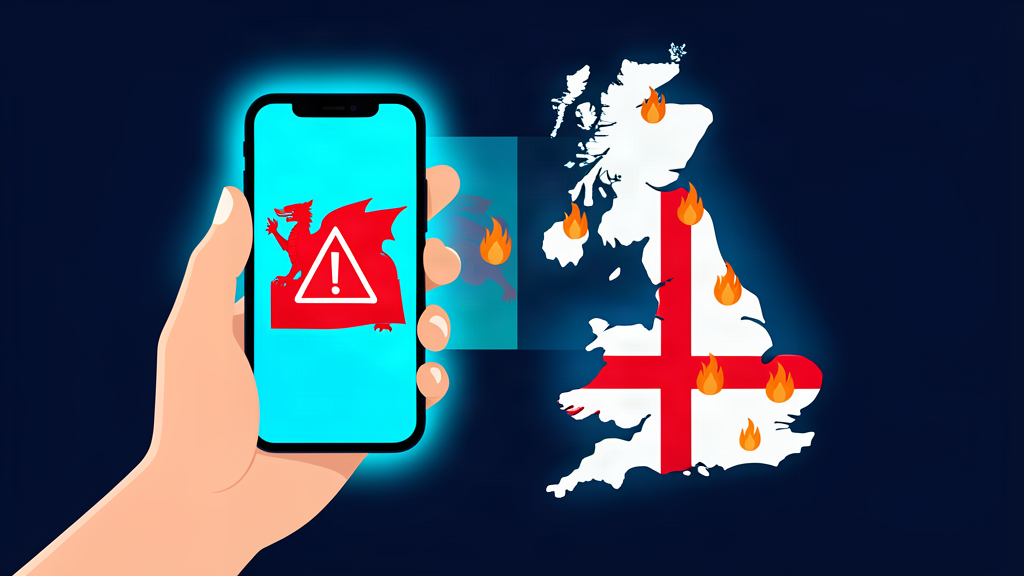
A government emergency alert that reached mobile phones across Britain has ignited a lively debate after it was delivered in Welsh before English. Fire crews have been battling blazes in several parts of the country, and the warning — intended to keep the public safe — instead became a conversation about language, order and how the state speaks to its citizens.
What the alert said and why it went out
The notification was issued as wildfires and grass fires placed strain on fire services from Wales to northern England. Authorities used the national cell-broadcast system to tell people in affected areas to stay alert, avoid risky activity and follow local guidance. The message did its job in warning of danger, but the sequencing — Welsh first, then English — drew comment from recipients who expected the reverse, or a simultaneous bilingual delivery.
Why Welsh came before English
In Wales, Welsh is a official language with equal standing, and public bodies are under a legal duty to treat it no less favourably than English. For alerts that cover Welsh territory, leading with Welsh is consistent with that duty. Supporters argue it is a marker of respect and inclusion; critics say the practical priority should simply be the language most people read first, whatever that is locally.
How the UK emergency alert system works
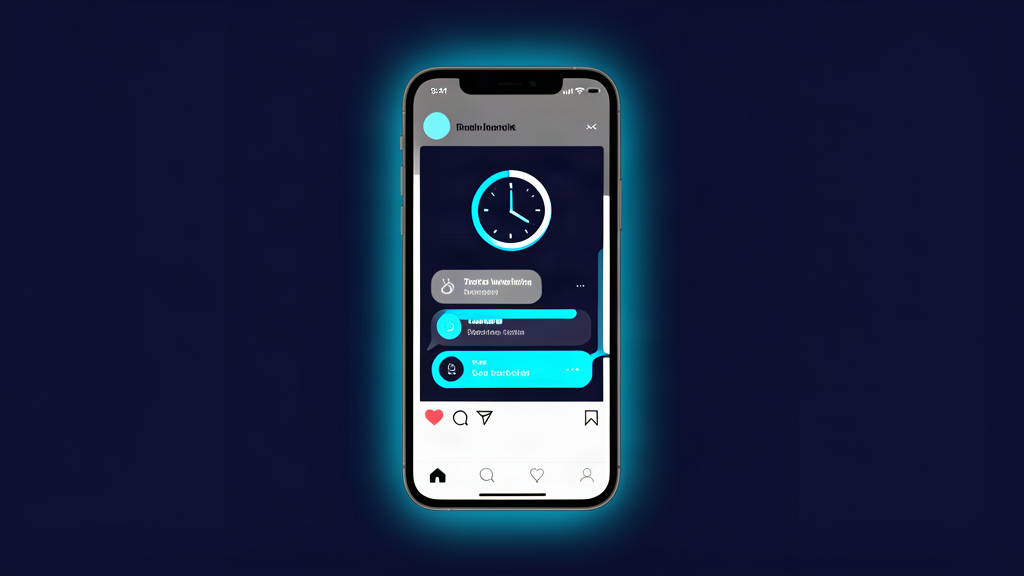
The system uses mobile masts to push a loud, vibration-backed message to every compatible handset in a defined area. It has previously been used for severe weather, and a nationwide test in 2023 gave millions their first experience of the piercing tone. Because it overrides normal notifications, the order and content of each message are carefully controlled — which is precisely why a bilingual rollout attracts scrutiny.
Public reaction and the debate
Responses split along predictable lines. Some Welsh speakers welcomed the prominence of their language; others, in both communities, questioned why a life-safety message became a linguistic flashpoint at all. Others simply reported the familiar jolt of receiving an unexpected official alert mid-day, a reminder of how intimate the channel is.
What it means for future warnings
Officials are likely to review how bilingual alerts are staged so that clarity, not contention, leads. The episode underscores a wider point: as the UK leans more heavily on mobile alerts for emergencies, the small details of wording and order matter as much as the warning itself. A system meant to unify the public can, if clumsily handled, briefly divide it.

ADVERTISEMENT
Source: Original report. Rewrite for Your News Website.








A sobering read. Hope those affected get the support they need.