

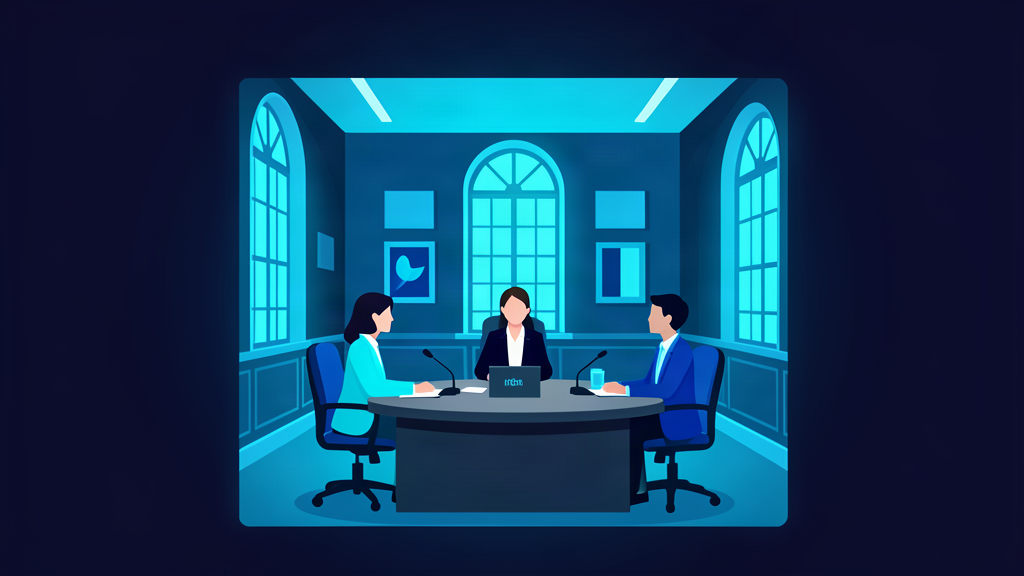
A Scottish MSP who faced ridicule after asking whether Transport Scotland is a charity has said a chest infection and lack of sleep led to the mistake. Collette Stevenson said she has faced what she described as misogynistic bullying after the exchange, which took place during a committee hearing and quickly drew attention beyond the parliament chamber.
The committee exchange
During a session with Transport Scotland officials, the MSP asked whether the agency was a charity — a question that prompted laughter and swift criticism from some quarters. The clip of the exchange circulated after the hearing, and the MSP subsequently found herself at the centre of a public backlash. She has since explained that at the time she was dealing with a chest infection and had had very little sleep, factors she says affected her performance in the chamber.
Committee hearings in the Scottish Parliament often involve detailed questioning of public bodies and agencies. MSPs are expected to question witnesses on budgets, performance, and policy decisions. A moment of confusion in that setting can quickly become a viral moment, particularly in an era when short clips travel fast on social media and news outlets.
The response and the bullying claims
Stevenson has spoken out about what she called misogynistic bullying in the wake of the incident. The claim highlights a wider conversation about how politicians — particularly women — are treated when they make mistakes in public. Political life already attracts scrutiny and criticism, but the line between robust debate and personal attacks is one that is frequently contested.
The incident has also touched on broader questions about the working conditions of MSPs and the pressures of public office. High-profile moments of error can attract a disproportionate volume of attention, and those who find themselves in that position often argue that the tone of the response goes beyond ordinary political criticism.
Why it matters
The episode is a reminder of how quickly a single moment in a committee room can become a national story, and of the personal consequences that can follow for the individuals involved. It also raises questions about the culture of political discourse in Scotland and whether the treatment of public figures when they slip up is fair, proportionate, and consistent with the standards politicians themselves often advocate.

ADVERTISEMENT
What happens next
The immediate focus will be on whether the MSP continues her committee work and how the Scottish Parliament handles the fallout. There may be calls for a review of how public errors by elected officials are discussed in the media and on social platforms. For now, the MSP has offered an explanation for the lapse, and the political conversation has begun to move on — though the incident is likely to be remembered as one of the more unusual moments in a session.














We do not allow links of any sort in comments. No SPAM whatsoever. On topic comments only.