

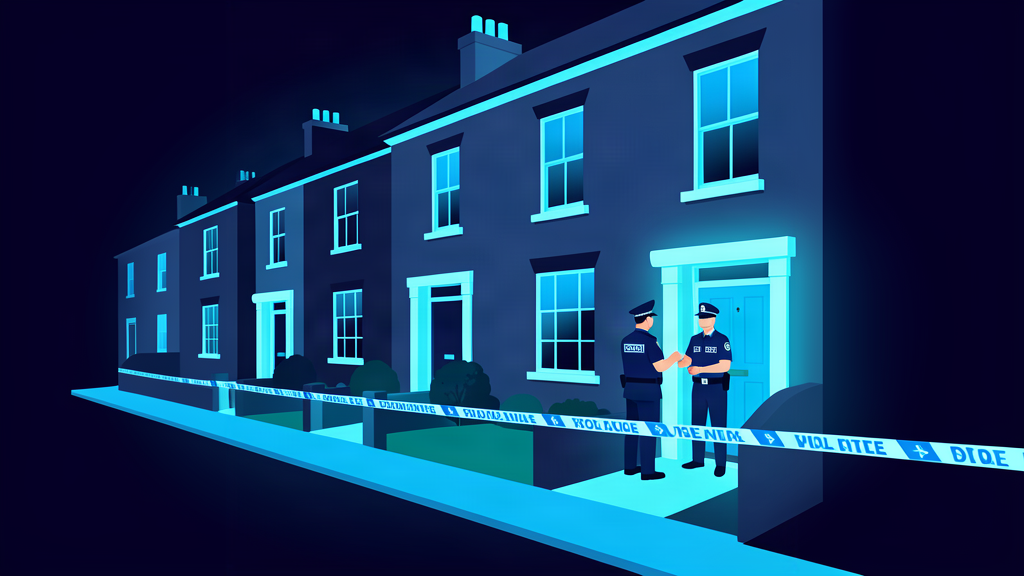
A suspect detained in the investigation into deaths in Widdecombe has been charged with planning a terrorist act against Nigel Farage, according to the BBC. Counter-terrorism police said the further charge follows a hugely intensive and complex investigation, and it represents a significant escalation in a case that has run for several months and drawn sustained public attention across the country.
The charge relates to alleged preparation rather than any completed attack. Under UK law, offences covering acts preparatory to terrorism are designed to allow police to intervene at the point where a plot becomes operational, before harm occurs. Sitting alongside existing charges, the allegation signals that investigators believe there was an intention aimed at a named individual rather than a general grievance without a target.
A long-running investigation
The case dates back to the deaths in Widdecombe, a small Devon town, which prompted a major police response. Counter-terrorism officers have described the subsequent inquiry as unusually demanding, and any additional charge in a matter of that length is a signal of sustained investigative work rather than a quick response.
Investigations of this scale place considerable strain on local policing and on the families of those who died. They also require careful evidence handling, particularly where digital material and online communications are involved, and any prosecution will have to be built to withstand detailed scrutiny in court.
Why the Farage allegation matters
Named targets in terrorism cases are relatively rare in UK charging practice, and the specificity tends to draw disproportionate attention. A charge that names a senior political figure suggests to prosecutors and to the public that the threat was considered credible and directed, and it guarantees sustained coverage of any future hearing.
It also raises wider questions about political violence and the security arrangements around public figures. Demonstrations and public appearances in Britain are attended by a small number of specialist officers, and those arrangements are periodically reviewed in light of known threats.

ADVERTISEMENT
Why it matters
The allegation is significant on two fronts. It advances a serious criminal case, and it shows that investigators are prepared to treat threats against elected politicians as terrorism rather than as ordinary threatening behaviour. For Mr Farage, a named allegation carries obvious personal weight, whatever the eventual outcome.
For the public, the case is a reminder that threats against political figures sit at the intersection of criminal law, security policy and political culture. Britain has seen sustained debate in recent years about the tone of political disagreement, and charging decisions in cases of this kind inevitably send messages beyond the courtroom.
What happens next
The suspect will appear before magistrates’ court at a hearing listed by the court, where the charge will be put formally and a decision taken on remand or bail. A committal hearing will follow before any trial. Counter-terrorism police have not published further detail, and they frequently refrain from commenting on outstanding cases while an investigation is live. If the charge is contested at a preliminary hearing, the court timetable will set out how quickly the case moves to crown court.

















We do not allow links of any sort in comments. No SPAM whatsoever. On topic comments only.