

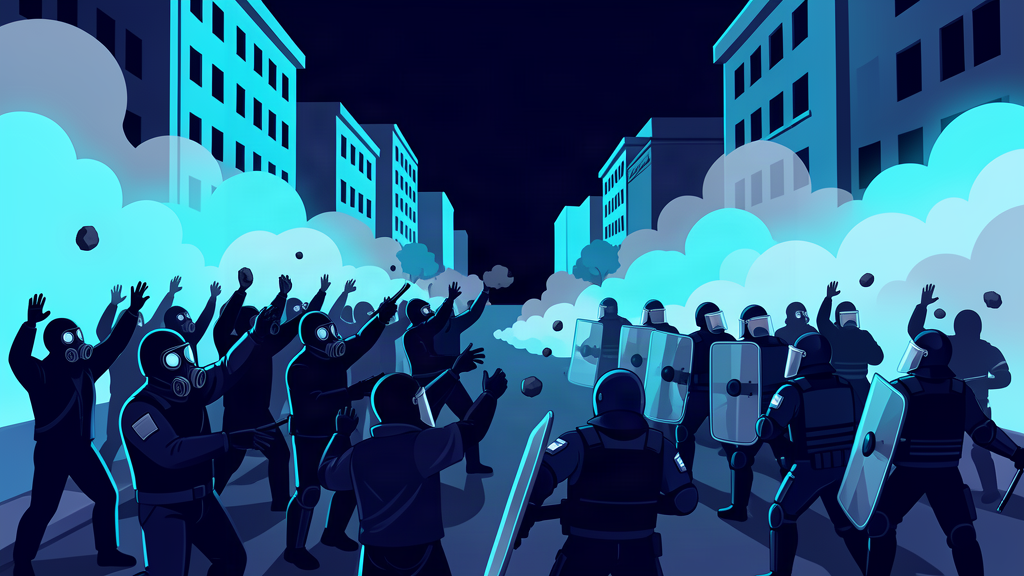
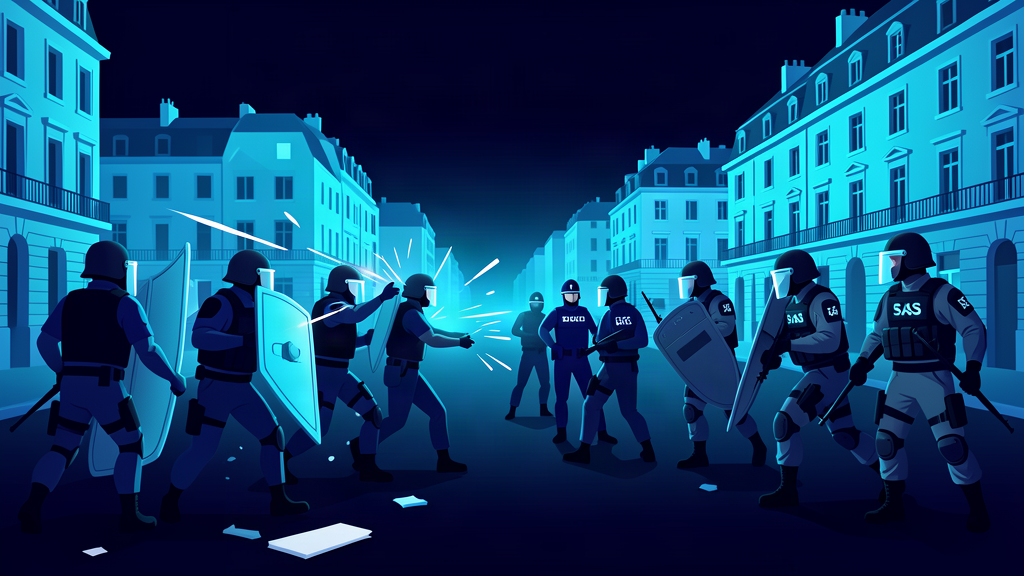
Violent clashes erupted in Tirana yesterday as anti-government protesters faced off against riot police in the fifth consecutive day of demonstrations. Masked demonstrators hurled rocks and petrol bombs at officers attempting to protect the education ministry, one of the epicentres of the unrest, while police responded with water cannon and tear gas rounds.
Growing unrest in Albania
The protests, which began in early June, have escalated into a wider movement demanding Prime Minister Edi Rama’s resignation over corruption allegations. Students and young activists have taken the lead, with many calling for the prime minister to step down. The focus shifted on Saturday to Rama’s own office on the city’s main boulevard, where crowds swelled to tens of thousands.
Police tactics and injuries
Riot police responded with increasing force, deploying rubber bullets for the first time according to local reports. Hundreds of people have been arrested or are under investigation, with 80 charged with disorder. Both sides reported injuries as the afternoon wore on, black smoke from a burning vehicle filling the air.
Why it matters
Albania’s bid to join the European Union by 2030 is now under strain as internal instability threatens the country’s democratic transition. The prime minister has accused the opposition of orchestrating unrest, while EU officials watch closely from Brussels. For the UK, which maintains strong ties with Balkan partners, the unrest underscores a regional instability that can have ripple effects on security and migration flows.
Analysts weigh in
Political analyst Lutfi Dervishi told the BBC that Rama is “the victim of his own success”, noting the prime minister’s concentration of power has made him the sole target for public grievances. With 83 of 140 parliamentary seats, the Socialist Party controls the government ahead of elections not due until 2029.
What happens next
The special prosecution service, set up under EU and US pressure in 2019, has escalated investigations into high-profile figures, including the arrest of secret service chief Vlora Hyseni. The coming weeks will test whether the street protests can translate into parliamentary pressure, and whether the EU will issue formal warnings that could alter Albania’s EU accession pathway. For now, Tirana remains tense, with volunteers distributing saline eyewash to protesters affected by tear gas.










We do not allow links of any sort in comments. No SPAM whatsoever. On topic comments only.