


A BBC Technology “Tech Now” team has this week travelled to the Cairngorms to see how new monitoring systems are tracking Britain’s growing wildfire damage, as dry spring conditions leave the Highlands’ heather and forest at heightened risk.
Why it matters
Britain’s wildfire season is extending, not only in southern England but in the upland parks that tourists flock to each summer. The sensors and satellite feeds being tested around Aviemore aim to spot a blaze before it crosses from a smoulder to a landscape-scale event, which matters because the Cairngorms draw roughly 1.7 million visitors a year, according to the National Park Authority, and a fire there can shut roads, close paths and dominate the news for days. With Prime Minister Andy Burnham’s government pressing land managers to show they can protect natural beauty from climate-driven fire risk, the Cairngorms trial is shaping up as a test not just of kit but of policy.
The kit on the ground
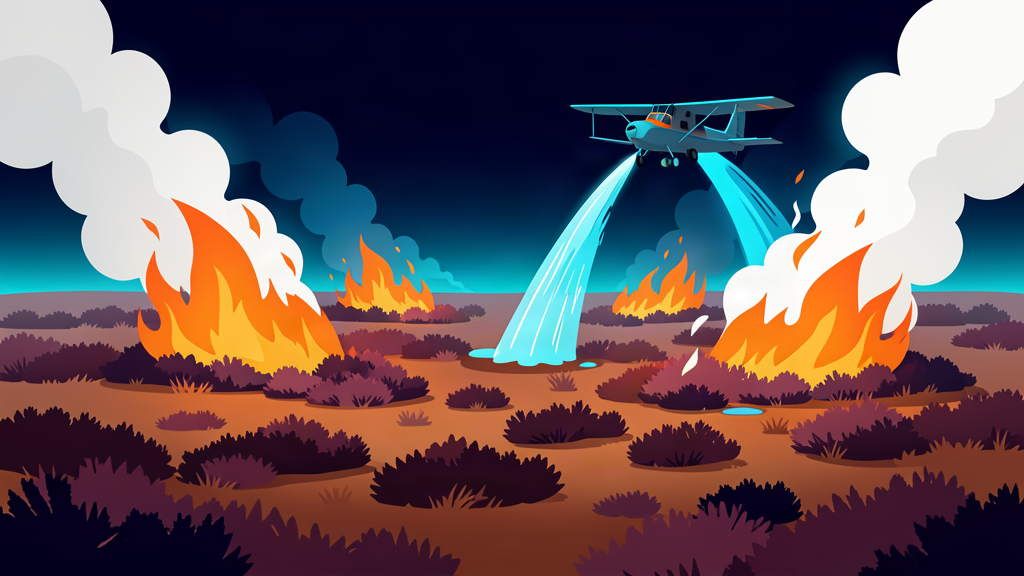
Reporter Shiona McCallum walked the sensor lines with rangers who have spent two seasons installing low-power heat and smoke detectors along the park’s most fire-prone gullies. The data streams to a control room where an AI model compares readings against weather forecasts and satellite passes, flagging anything that looks like a real column rather than a morning mist. For a service that covers remote ridges, the promise is simple: catch the fire in the first ten minutes, not the first ten hours, when the difference can be a few hundred pounds of retardant or a hillside lost forever.
Lessons from the hills
Rangers say the April conditions were the driest in a decade, and three small fires were caught within the hour thanks to the trial network. “It’s the false alarms we worry about more than the missed signals,” a park spokesman said, because each alert pulls crews off routine patrols. The team is now tuning the thresholds so that a sensor’s cough of smoke does not become a full mobilisation. For now, the message from the Cairngorms is straightforward: let the machines watch while the experts decide.
What happens next
The network stays live through the summer, with real-time feeds heading to the regional fire-and-rescue coordination centre, and the BBC team plans to follow up on whether early alerts are converting into smaller, faster responses. If the results hold, the model could be rolled out to the Lake District and the Pennines before next spring. The wider test for policymakers is whether a machine that never sleeps can close the gap between a fire’s first column of smoke and the arrival of the first engine – a gap that has widened as more walkers and campers head into areas that were once quiet fortnights.












We do not allow links of any sort in comments. No SPAM whatsoever. On topic comments only.