

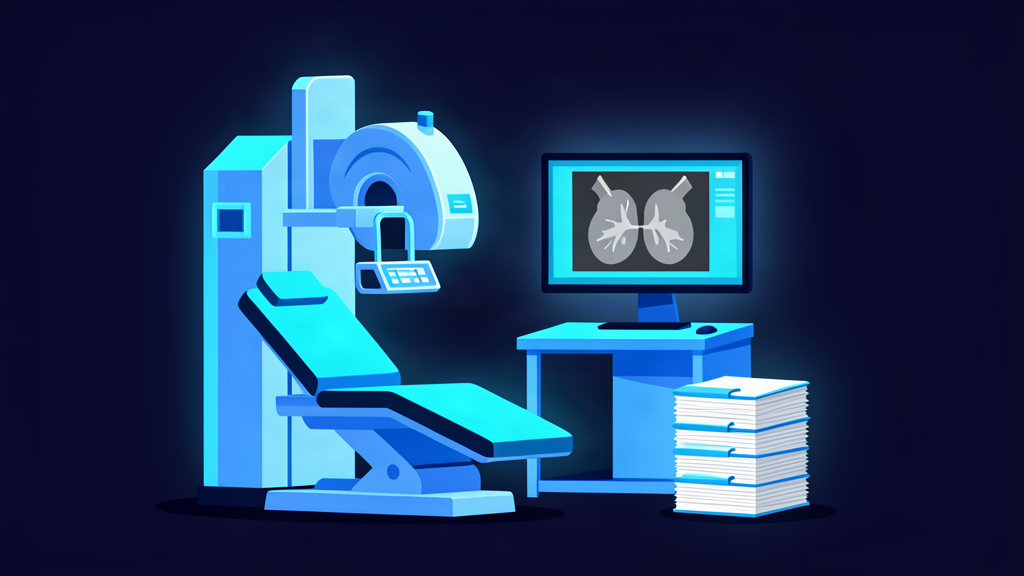
The NHS is launching what it describes as the world’s largest trial of artificial intelligence in breast cancer screening, in a move intended to speed up diagnosis and ease mounting pressure on the health service. Researchers will test the technology within the screening programme, where AI systems help read mammogram images and flag areas of concern for clinicians to review. According to BBC News, the trial is designed to establish whether the software can work safely at scale inside the NHS rather than only in the controlled conditions of a research study. Breast screening is one of the most widely used programmes in the country, and any tool that cuts workload without reducing accuracy would matter greatly to the staff who deliver it and the women who rely on it.
How the trial will work
The project will see AI applied to the reading of screening images, a task that currently depends heavily on specialist clinicians. In routine breast screening, mammograms are examined for subtle signs of cancer, and suspicious areas are referred for further tests. Supporters of the technology argue that algorithms can act as a consistent second pair of eyes, checking images quickly and helping to prioritise those that need urgent attention. The trial will examine whether that translates into shorter waiting times and fewer missed cases when the system is used across a real-world programme. BBC News says the aim is to ease pressure on the NHS, but researchers will also be looking carefully at accuracy, so that any time saved does not come at the cost of safety. The findings will be judged against the clinical standards that screening services are already held to.
Why it matters
Breast cancer is among the most common cancers among women in the UK, and early detection remains the single most important factor in survival. The screening programme saves lives, but it is also under strain: demand rises as the population grows, while recruiting and retaining the specialists who read mammograms is a persistent challenge. That is why the NHS has been looking at automation with unusual interest. If AI can reliably handle the initial reading of images, clinicians could concentrate on the cases where their expertise matters most. For patients, the practical benefit would be quicker results and fewer anxious waits. For the health service, the appeal is doing more with the workforce it already has, at a time when hiring enough extra staff is not realistic. The trial therefore speaks to a wider question about how modern medicine will cope with rising demand.
The wider AI debate
The trial lands in the middle of a public argument about artificial intelligence in healthcare. Supporters point to the potential for faster, more consistent diagnosis, while campaigners have raised concerns about transparency, bias and who is accountable when an algorithm gets something wrong. Screening is a comparatively contained setting, with clear clinical standards and human oversight, which makes it a sensible place to test the technology. But the results will be watched well beyond breast cancer, as hospitals consider a growing range of AI tools. The NHS has an interest in setting the rules early, so that adoption is driven by evidence rather than enthusiasm.
What happens next
The trial will run before any decision is taken about wider adoption, and its results will determine whether the technology becomes a permanent part of screening or is confined to research. Regulators and clinical bodies will want to see evidence that AI-assisted reading is at least as accurate as current practice, and that it works fairly across different groups of women. If the results are positive, other areas of the NHS are likely to examine whether similar tools could help with other image-heavy specialties. If concerns emerge, the programme will have provided a useful early warning before any large-scale rollout. Either way, the coming months will test whether artificial intelligence can move from promise to practice in one of the health service’s most important preventive programmes.
Read the original report at BBC News – https://www.bbc.co.uk/news/articles/cmpdwnw3nvzjo























We do not allow links of any sort in comments. No SPAM whatsoever. On topic comments only.