

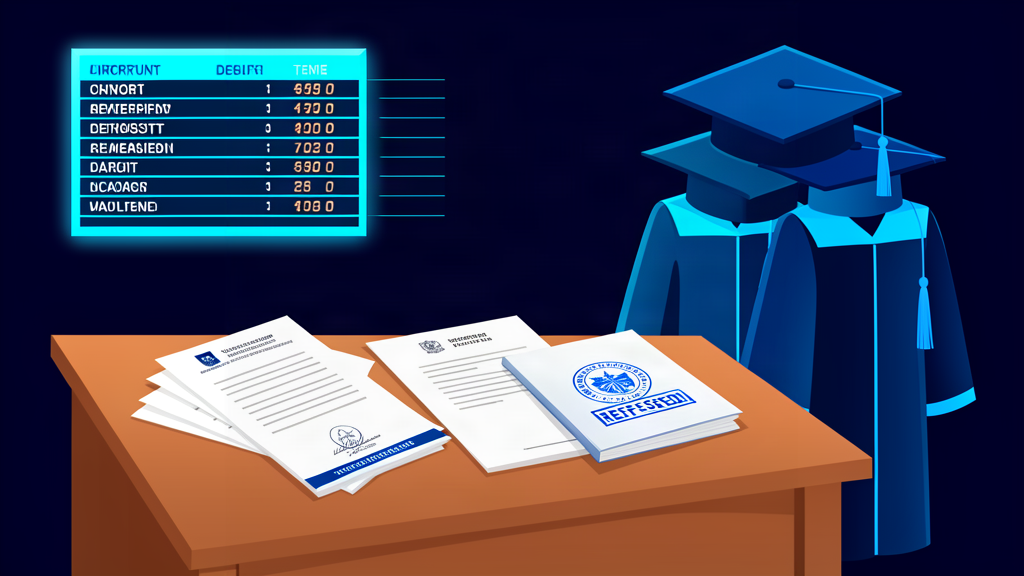
Afghan women who had secured places at UK universities say they are heartbroken after the Home Office halted study visas for applicants from Afghanistan, leaving plans to study in Britain abruptly on hold.
The visa brake explained
In March this year the UK Home Office announced what it described as an emergency visa brake on study visas for applicants from Afghanistan. The BBC reports that the measure has caught women who had already received offers from British universities, many of whom had invested months in applications and preparation in the expectation that they would be able to travel. A visa brake of this kind does not simply delay a journey; it interrupts a chain of decisions involving fees, accommodation and places that universities may have already allocated. For those affected, the offer of a place remains real on paper while the means of taking it up has been removed.
What the students are saying
The women told the BBC they were heartbroken at the turn of events. Having worked to meet the conditions of their offers, they now face an uncertain wait with no clear indication of when, or whether, the position will change. Universities that recruited in good faith are left with the difficult task of explaining a situation they did not create, while the students must decide whether to hold onto their hopes or start again. The BBC reports that the decision has been felt particularly sharply by women, for whom access to study abroad has been tied to wider hopes about opportunity and independence.
Why it matters
The episode places two British priorities in tension. The UK has spoken consistently about the importance of education and opportunity for women in Afghanistan, and universities across the country have built links that bring students to Britain. A sudden brake on study visas cuts across those commitments and raises practical questions about how immigration controls are applied to individual cases. It also matters to the universities themselves: international students are a significant part of the higher education sector, and sudden policy changes make forward planning harder. For the women concerned, the impact is immediate and personal rather than abstract.
What happens next
Attention will focus on whether the Home Office will set out how long the brake will last and whether any exceptions will be made for students who had already secured offers before it was announced. Universities are likely to press for clarity on that point, both for the students affected and for their own planning. The BBC reports that the affected women are waiting for a decision, with their studies in Britain suspended until the position becomes clearer. How the government balances immigration control against its stated commitments will be tested by the outcome.
Source: BBC News. Read the original report at the BBC.

ADVERTISEMENT
The uncertainty is compounded by the fact that many of the women had made plans around a specific academic year. Delays can mean losing a place, forfeiting fees or being unable to resume studies later, and universities do not always have the flexibility to reinstate an offer once a cohort has moved on. That is why campaigners argue transitional arrangements matter even when a broader policy change is going ahead: the people most affected are often those who did everything asked of them before the rules shifted.






















We do not allow links of any sort in comments. No SPAM whatsoever. On topic comments only.