

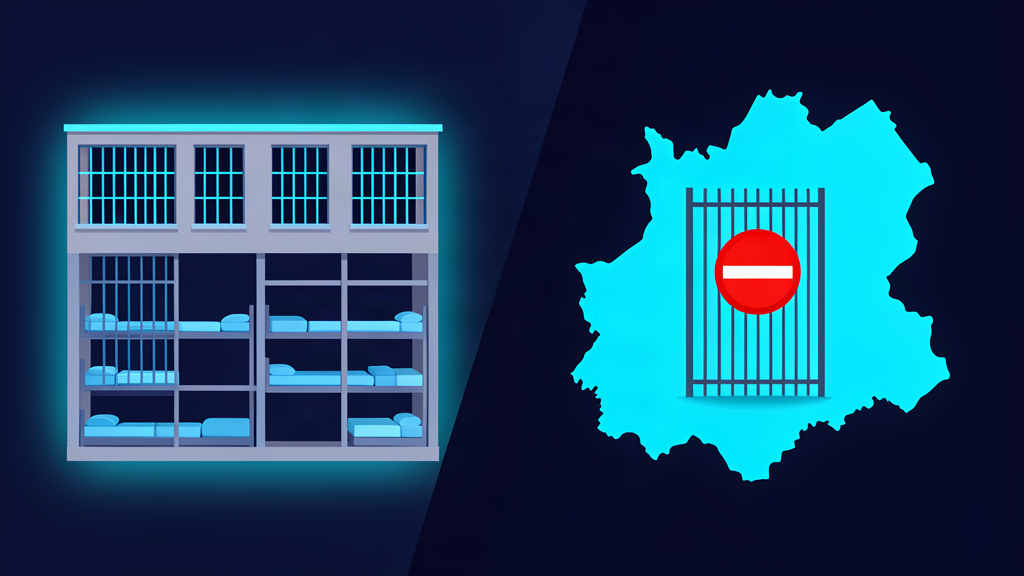
Estonia has ruled out taking prisoners from overcrowded English jails, rejecting a proposal floated by Reform UK and the Conservatives to rent prison space abroad.
Tallinn says no
Estonia’s justice minister confirmed that no deal is under discussion, saying the Baltic state has no capacity to spare and no intention of housing foreign inmates. The remarks shut down a suggestion that Britain could follow the example of countries which have contracted overseas prison places to relieve domestic crowding. Tallinn pointed instead to its own reform programme focused on shorter sentences and electronic monitoring.
Why the idea surfaced
With English and Welsh prisons running close to capacity, opposition parties have scrambled for eye-catching solutions. Renting cells in partner countries has been touted as a quick fix, but critics say it dodges the harder question of why so many people are locked up in the first place. Estonia’s flat refusal suggests the option was never as simple as its proponents implied.
Britain’s prison capacity crisis
The overcrowding problem is long-built. A rising remand population, tougher sentencing, and sluggish construction of new estates have left the estate near breaking point. The government has already passed emergency measures to free some space and is rushing to open new prison places, but the pipeline will take years to catch up with demand.
The rental-prison debate
Supporters argue that shipping a limited number of low-risk prisoners abroad could buy time and save money. Opponents counter that it risks legal challenges, severs inmates from families and rehabilitation, and signals defeat. Wales and Scotland run separate systems, adding another layer of complexity to any UK-wide scheme.
What happens next
With Estonia off the table, ministers are likely to lean harder on domestic measures: quicker sentencing reform, expanded electronic tags, and accelerated builds. Probation leaders want investment in community alternatives that keep people out of custody altogether. For now, the Estonia episode has become a political flashpoint — a reminder that the search for quick answers to a structural crisis can run aground on the blunt reality of other countries’ own priorities.

ADVERTISEMENT
Source: Original report. Rewrite for Your News Website.




















We do not allow links of any sort in comments. No SPAM whatsoever. On topic comments only.