

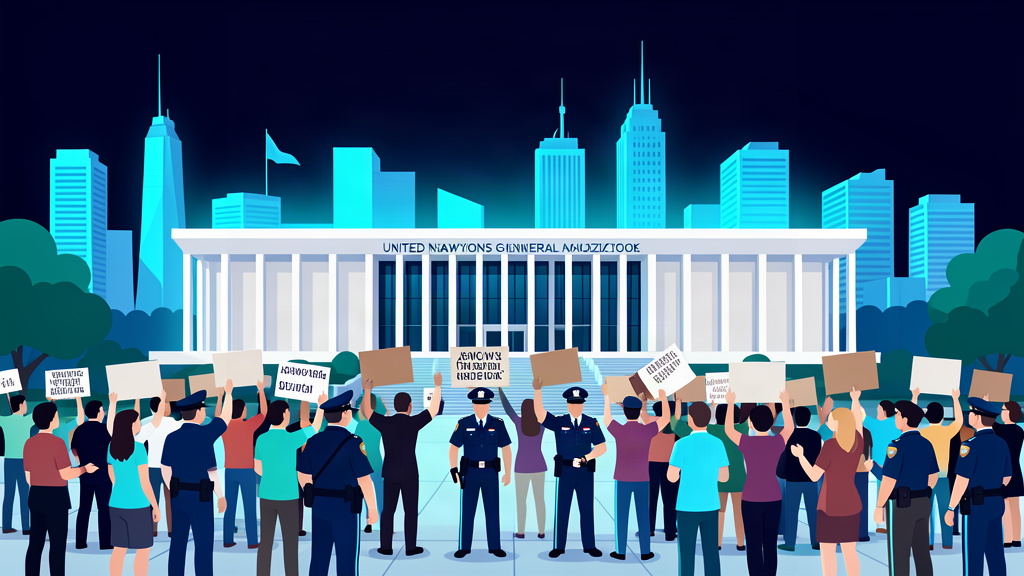
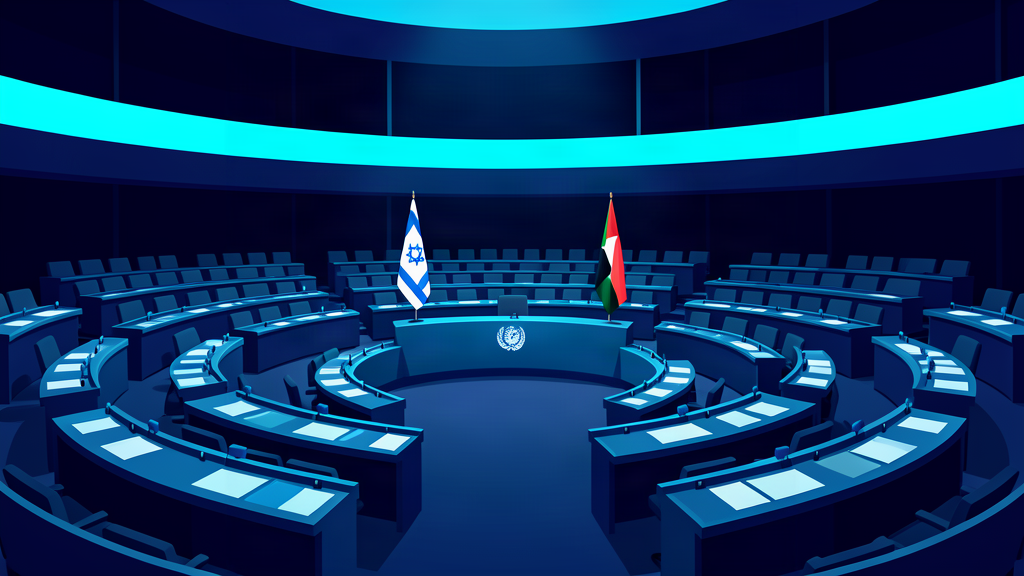
New York police have arrested Susan Sarandon and a number of other celebrities during a protest against the Israeli prime minister’s address to the United Nations. The actors and public figures were among a crowd of demonstrators who gathered near the UN headquarters in New York to voice opposition to Benjamin Netanyahu’s speech, in which he defended Israeli military actions. Rights groups have accused the UN of hosting a war criminal by allowing Netanyahu to speak, and several delegations walked out during his address.
Sarandon, a long-standing activist, was taken into custody along with other high-profile figures as the protest turned into a police operation. The arrests were made for alleged disorderly conduct, according to witnesses at the scene. The New York Police Department did not immediately release the full list of those detained, but multiple media reports identified Sarandon among them.
The protest took place as Netanyahu delivered his speech to the UN General Assembly, an event that drew widespread international attention. Several delegations left the hall in protest during his remarks, and human rights organisations issued statements criticising the UN for giving a platform to a leader they accuse of overseeing military actions that have caused significant civilian casualties. The walkouts and the street protest together illustrated the depth of feeling the speech provoked.
Why it matters
The arrest of a well-known Hollywood figure at a political protest draws fresh attention to the polarised debate over Israel’s military conduct and the rights and limits of protest at international institutions. It also highlights the tensions surrounding the UN General Assembly, where world leaders gather but where the presence of controversial figures routinely sparks demonstrations. For the UK, the episode is a reminder of how deeply divided public opinion remains on the Israeli-Palestinian conflict, a division that British politicians and communities continue to navigate, and of the scrutiny that applies to the hosting of leaders facing international legal challenges.
What happens next
Those arrested are likely to face processing and possible charges in the New York courts. The protest is expected to fuel further debate about the UN’s role in hosting leaders accused of war crimes, and about the boundaries of permissible protest at diplomatic events. Similar demonstrations are likely to continue for the remainder of the General Assembly session, and rights groups may step up campaigning around the ICC warrant that remains in place against Netanyahu.
Source: Al Jazeera.














We do not allow links of any sort in comments. No SPAM whatsoever. On topic comments only.