

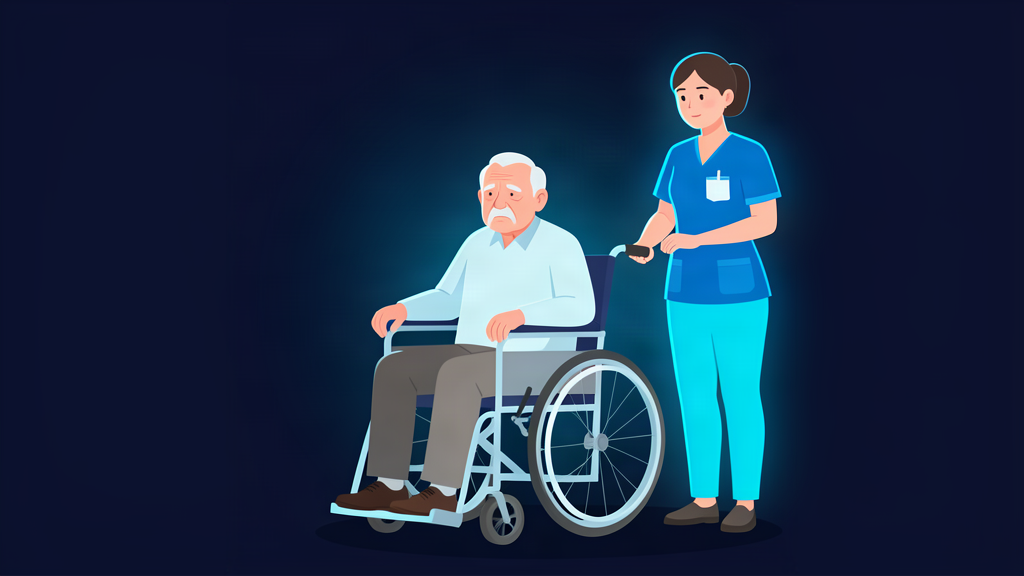
A care home worker who was the subject of a BBC investigation has been struck off the professional register after an adjudication found she threatened an 81-year-old man with police involvement and physical violence.
Amina Sani, who is Nigerian, was found to have threatened the 81-year-old resident — an act that prompted both the broadcaster’s investigation and a formal disciplinary process. The decision to remove her from the register marks the end of one strand of the story, though the wider questions it raises about oversight in the care sector are unlikely to dissipate.
What happened
The BBC’s investigation brought attention to the conduct of a care worker at a home where an elderly resident reported feeling threatened. According to the findings, Sani threatened the 81-year-old man with police action and indicated she would hit him — behaviour that fell well below the standards expected of anyone working with vulnerable adults. The case was ultimately referred to the relevant professional regulator, which conducted its own proceedings and issued the striking-off order.
Cases of this kind typically involve a combination of internal employer investigation, referral to the Care Quality Commission or its devolved equivalents, and — where professional registration is at stake — a separate tribunal or conduct hearing. The striking-off decision means the individual is now barred from working in a role that requires that registration.
Why it matters
The care sector in the UK has long contended with scrutiny over the quality of care provided to vulnerable residents, particularly the elderly. High-profile investigations, inspection reports, and media exposes have periodically surfaced examples of neglect, abuse, and poor practice — each one reinforcing calls for stronger safeguards, more robust vetting, and better enforcement when standards slip.
A case that emerges through a broadcaster’s investigation rather than through routine inspection raises uncomfortable questions about whether the existing oversight architecture catches problems early enough. Regulators and care providers alike are expected to treat such instances as opportunities to review their own procedures: recruitment checks, ongoing supervision, whistleblowing routes, and the speed with which concerns are acted upon.

ADVERTISEMENT
What happens next
The immediate outcome — the worker being struck off — is the regulatory system functioning as designed. The longer-term test is whether the broader lessons are absorbed. Families with relatives in care homes will be watching for reassurance that similar conduct would be detected and dealt with swiftly in other settings. Providers will face pressure to demonstrate that their internal reporting and investigation processes are robust. And regulators will continue to be measured against their ability to identify and remove bad actors before they cause further harm.
For the resident at the centre of the case, the process has been long and unsettling. The striking-off order brings a form of closure, even if the deeper systemic questions remain open.



















We do not allow links of any sort in comments. No SPAM whatsoever. On topic comments only.