

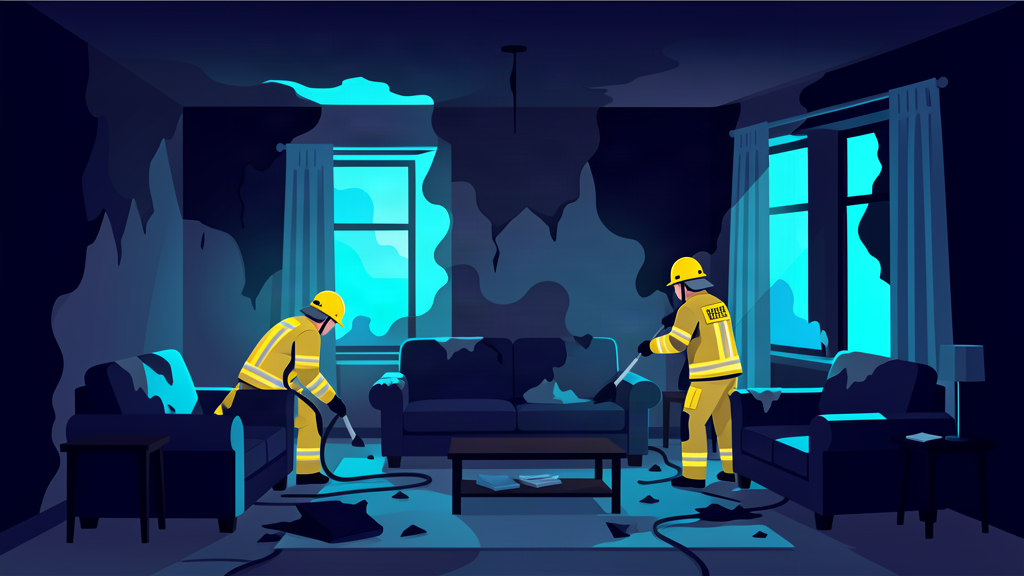
A lithium-ion battery caused a fire that killed a 36-year-old mother and her three children at their home in Bootle, Merseyside, investigators have confirmed.
Elisha Brabin died alongside three of her children in the blaze at the property. The confirmation of the battery as the ignition source adds a specific and troubling detail to a case that has already shocked the local community and drawn attention to the risks posed by a technology that has become ubiquitous in homes across the UK.
The fire
The blaze broke out at the family’s home in Bootle, a town on the Wirral peninsula within the Metropolitan Borough of Knowsley. Firefighters responded to the incident and, tragically, were unable to save those inside. The investigation that followed identified a lithium-ion battery as the source of the fire — a finding that will now form part of the official record and may inform any subsequent safety information or inquiries.
Lithium-ion batteries are found in everything from mobile phones and laptops to e-scooters, e-bikes, and cordless power tools. Their widespread use means that a fire traced to one such device is not an isolated curiosity but part of a broader safety picture that fire services and regulators have been monitoring for several years.
Why it matters
Fire services across the UK have raised concerns about the risks associated with lithium-ion batteries, particularly when batteries are damaged, manufactured to inadequate standards, charged improperly, or left unattended during charging. The batteries can fail catastrophically — a phenomenon known as thermal runaway — and the resulting fires can be intense and difficult to extinguish. In some cases, they have spread rapidly through homes, especially where e-bikes or e-scooters are charged indoors.
The Bootle tragedy underscores the human cost that such failures can exact. A mother and three children lost their lives in a fire that investigators have attributed to a battery — a finding that is likely to be cited in ongoing public safety discussions and by campaigners who argue that clearer guidance, stronger product standards, and greater public awareness are needed.

ADVERTISEMENT
What happens next
The formal investigation will continue, as will any coronial process that follows. In the longer term, the case will feed into the accumulating body of evidence that fire services, trading standards officers, and safety regulators use to assess whether current guidance on lithium-ion battery use is sufficient.
For the community in Bootle, the loss is immediate and profound. The confirmation of the cause brings a measure of clarity but no less grief, and the wider conversation about battery safety — already active in fire service briefings and media coverage — will now carry a heavier, more personal weight.
















We do not allow links of any sort in comments. No SPAM whatsoever. On topic comments only.