


Andy Burnham has used his first conference speech as Labour leader and prime minister to set out a programme that mixes substantive policy shifts with an emotional personal narrative, delivering the address in Liverpool to a hall that responded with repeated standing ovations. The speech marked a deliberate break from the style of his predecessor, with the prime minister moving freely across the stage without a podium and adopting a tone that was at once relaxed and serious.
A changed style, a serious agenda
The most immediate impression from the Liverpool conference hall was one of political rebranding. Burnham chose to present himself in a tieless, informal manner that recalled a TED talk more than a traditional party conference address. Yet behind the relaxed presentation lay a sequence of policy announcements that the prime minister framed as a decisive break with the direction of the past four decades. He told delegates he wanted to put Britain on a new path, and the speech was constructed around that theme of restoration — of public control, of a stronger welfare settlement, and of a Labour identity that could reach beyond its metropolitan base.
The speech drew eleven standing ovations in just over an hour, according to reporters on the ground, with the warmest responses reserved for the emotional climax rather than the policy detail. Burnham made few jokes and, in a notable contrast with his predecessor’s conference performances, did not mention Nigel Farage or Kemi Badenoch by name. He also sidestepped some of the harder questions facing his government, including the detail of welfare reform and how increased defence spending would be funded.
Public ownership and the water industry
One of the most consequential commitments came on public ownership. Burnham vowed to repeal what he described as Margaret Thatcher’s ideological ban on public ownership of water companies, a move that would legislate later this year and set the UK on a ten-year path toward what he called a very different water system. He did not make an explicit pledge to renationalise the water industry, but the signal to the party base was clear: the prohibitive framework erected in the 1980s would be dismantled. The first standing ovation of the speech came on this point, underscoring how heavily the Labour faithful weigh the symbolism of public control over housing, water, and energy.
The pensions triple lock gamble
The run-up to the speech had been dominated by speculation over the state pension triple lock, which guarantees increases in line with the highest of inflation, earnings growth, or 2.5 percent. Burnham’s resolution was more nuanced than a simple abolition. He said he would honour Labour’s commitment to keep the triple lock until the end of the current Parliament, but from April 2030 the state pension would rise each year by inflation or 2.5 percent, whichever is higher — with the earnings link removed and the pension increased in some years if needed to keep pace with average worker earnings.
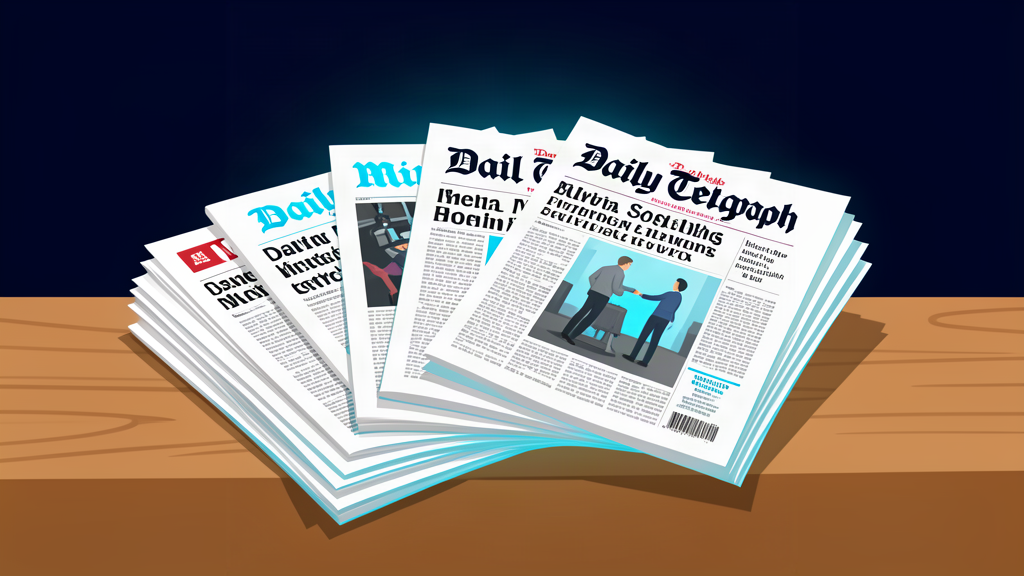
The prime minister said the change would generate significant savings to fund his long-held ambition of establishing a National Care Service in England. He acknowledged that he might pay a political price for the decision, telling the conference that someone had to go through the pain barrier and rip the plaster off. The pensions announcement dominated the newspaper front pages the following morning, with many framing it as the most politically risky element of a speech that otherwise focused on national renewal.

ADVERTISEMENT
Electoral reform and the next election
Burnham used the speech to announce a national commission on electoral reform, promising that Labour would contest the next general election on a manifesto commitment to change the voting system so that every vote counts. The announcement was met with cheers in the Liverpool hall, where many delegates have long backed a move away from first-past-the-post. The prime minister framed the current system as a vulnerability, arguing that the country could not succeed if it continued to open the door to a divisive government on less than 30 percent of the vote. He did not set out who would lead the commission or when it would begin its work.
An emotional personal coda
The longest ovation of the speech came when Burnham spoke about his father, Roy, who died earlier this month after a long battle with Alzheimer’s disease. The prime minister appeared overcome by emotion and for a brief moment it seemed he might not be able to continue. He told the conference that his father had failed his 11-plus examination, and that the son of a man who had not passed that test had become prime minister. He pledged to use the office to build the kind of Britain his father would have wanted to see, and to fight to keep it together.
Why it matters
The speech is being read as a defining moment for a prime minister who took office with a large parliamentary majority but without the personal authority of his predecessor. By combining a leftward shift on public ownership with a politically dangerous pensions reform and a long-term commitment to electoral change, Burnham has signalled both his policy priorities and his reading of the political landscape. The decision to avoid attacking political opponents directly, and to ground the address in personal narrative, suggests a calculation that the government’s fortunes depend on presenting a stable, purposeful image rather than a combative one.
What happens next
The immediate aftermath will be shaped by the newspaper cycle and the political reaction from opposition parties. The pensions changes will be scrutinised by those who depend on the state pension, and the detail of how a National Care Service would be funded is likely to attract sustained questioning. The electoral reform commission will face pressure to report quickly, though Burnham has not set a timetable. Meanwhile, the government must turn its policy ambitions into legislation, starting with the promised repeal of the ban on public ownership of water companies later this year.
Source: BBC News



















We do not allow links of any sort in comments. No SPAM whatsoever. On topic comments only.