

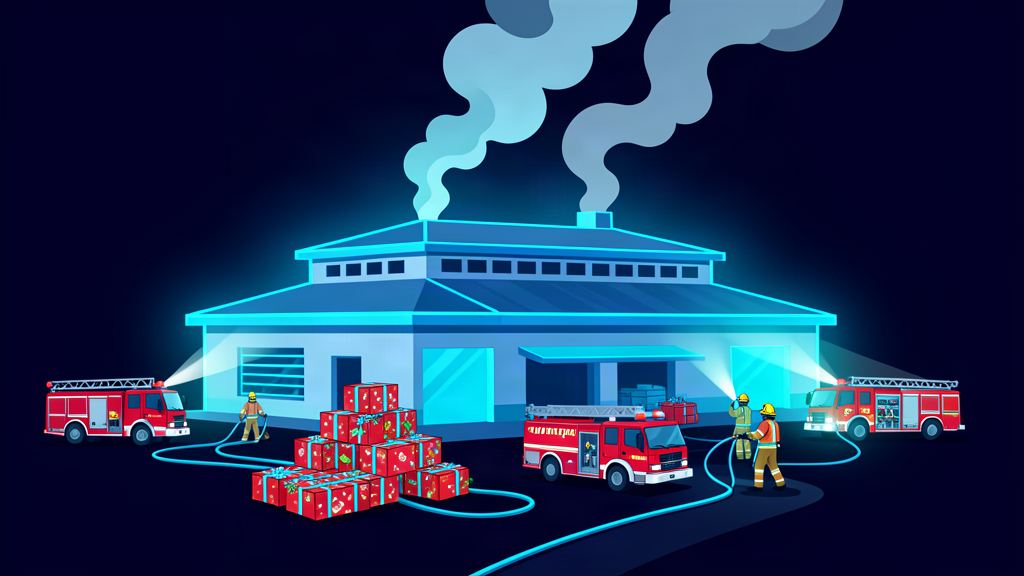
Rescuers are continuing to search for around 30 workers missing after a fire at a candy factory in Indonesia’s Banten province killed at least 24 people, according to Al Jazeera. The blaze has turned a routine working day into a major emergency, with teams still trying to account for colleagues who have not been seen since the fire broke out. The incident has raised immediate questions about safety at the plant and the protections available to workers in one of Indonesia’s busiest industrial regions. For Britain, the tragedy is a reminder that supply chains stretch into countries where factory safety can vary sharply, and that the standards applied overseas matter to the companies and consumers connected to them at home.
The search operation
The reported toll is stark: at least 24 people dead and roughly 30 still unaccounted for. Those numbers may change as the search develops, and the priority for rescue teams is to reach any survivors and establish what happened inside the building. Fires in manufacturing plants are especially dangerous because of the combination of machinery, raw materials and confined spaces, and because a fast-spreading blaze can cut off the routes workers would normally use to escape. Al Jazeera’s report describes an operation still under way, with rescuers working against time to find the missing. For the families involved, the wait for confirmation will be the most painful part of a fast-moving emergency.
Questions about factory safety
No cause has been established in the reporting available, and it would be premature to speculate about what started the fire. What is clear is that the scale of the losses has put the spotlight on conditions in the factory and on the wider system of safety checks that governs such sites. Industrial disasters tend to prompt the same set of questions: were fire exits clear, were alarms working, had staff been trained, and were the relevant inspections up to date? Those questions will now be asked in Banten, as they have been after similar tragedies elsewhere.
Why it matters
The UK connection is both practical and moral. British retailers and manufacturers source goods from across Southeast Asia, and Indonesia’s factories are part of the supply chains that underpin everyday products on British shelves. When a disaster of this scale occurs, the standards that apply in those factories become a live issue for the companies that buy from them and for the customers who assume minimum safety expectations are being met. Britain also has a long history of learning from industrial fires, with tighter controls on workplace fire safety introduced after past tragedies at home. The events in Banten will be studied for the same reason: a preventable loss of life, if that is what the investigation finds, offers lessons that travel well beyond Indonesia.
What happens next
The immediate focus remains the search for the missing workers and the care of those injured or bereaved. The full toll will only be known once rescue teams have completed their work and authorities have confirmed the identities of the dead. Attention will then turn to an investigation into how the fire started and why it spread, with findings likely to shape any action against the factory’s operators and any wider review of local safety enforcement. For companies with links to the plant, the coming days will bring questions about their own oversight and about what they can do to support the affected families. For Indonesia, the test will be whether the response converts grief into concrete changes that make similar factories safer.
Read the original report at Al Jazeera – https://www.aljazeera.com/video/newsfeed/2026/11/23/search-continues-for-dozens-missing-after-indonesia-candy-factory-fire
























We do not allow links of any sort in comments. No SPAM whatsoever. On topic comments only.