

Andy Burnham has defended his approach to Europe as pragmatic, saying he is prepared to work with whoever can deliver results for Britain while dismissing predecessors who urged him not to reopen the Brexit debate as “stuck in the past”. The remarks, reported by the BBC, signal that the government intends to press ahead with a closer relationship with the European Union despite sharp criticism from across the political spectrum. The prime minister casts the agreement reached in Brussels as a practical response to economic pressures rather than an ideological lurch.
A pragmatic case for change
Burnham’s argument rests on the claim that the deal delivered last week is the biggest growth measure of this parliament, a benefit he has previously put at £17bn to the British economy. The agreement covers areas including food exports, emissions trading and a youth experience scheme, and ministers have pointed to Treasury analysis suggesting it could add up to 0.5% to gross domestic product. Presented in those terms, the prime minister says the choice is a straightforward one between easing pressure on household budgets or allowing food prices to keep rising.
He has also sought to frame the accord in everyday language, talking about opportunity for young people and the cost of groceries rather than the constitutional arguments that dominated the Brexit years. That framing reflects a belief in Downing Street that the public has moved on from the old argument and now wants a government focused on practical outcomes. By describing his own approach as pragmatic, Burnham is positioning himself as someone willing to deal with reality rather than be bound by the positions of the past.
‘Stuck in the past’
The criticism of those who warned him against reopening the debate was blunt. Burnham suggested that figures who insisted the Brexit question was settled were failing to recognise the country had changed, using the phrase about being “stuck in the past” to describe them. That rebuke lands on former prime ministers including Theresa May, who said she was aghast at the plans and insisted Brexit was done, as well as Sir Tony Blair and Rishi Sunak, who have voiced their own objections.
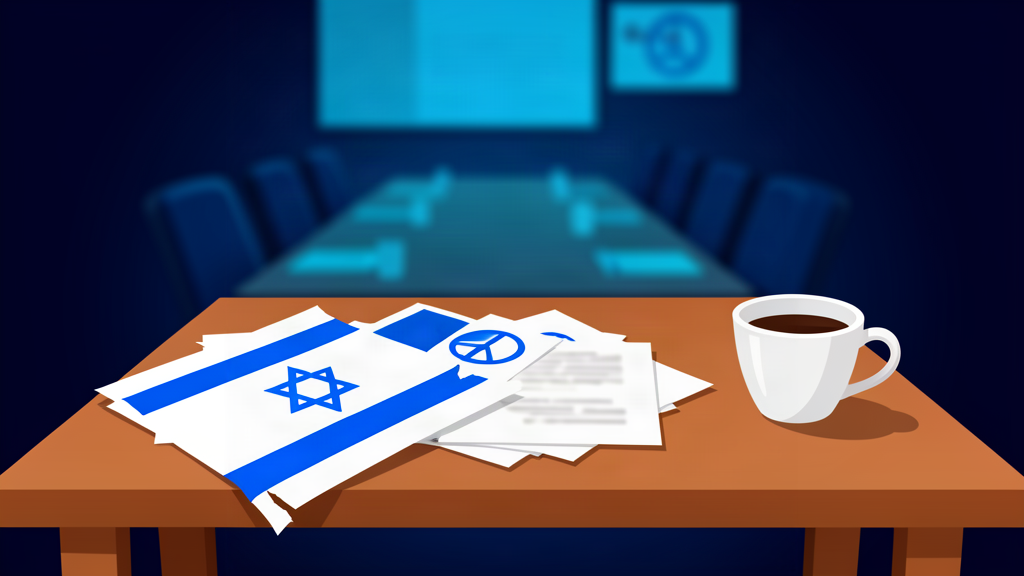
Conservative leader Kemi Badenoch has argued the settlement is unfair because British farmers would have to follow rules made in Brussels, and has questioned the £17bn growth figure. Reform UK leader Nigel Farage called it a good day for the EU and a humiliation for the country that voted to leave. Both were expected to use a major business conference to accuse the government of securing a poor deal and warning that closer alignment would saddle smaller firms with red tape.
Why it matters
The argument goes to the heart of where Britain sits in Europe and who gets to decide the terms. For households the stakes are immediate, since the debate touches food prices and the cost of living. For businesses the question is whether closer ties bring investment and growth or simply a new set of rules to comply with. Burnham putting a specific number on the benefit has given his opponents a clear target, and the fierce reaction shows how easily the subject can still mobilise political energies on both sides.

ADVERTISEMENT
What happens next
Burnham will continue to make the case directly, with rival platforms available to his critics. Beyond the immediate row, the government says the two sides will begin an informal process of brainstorming on the long-term relationship. The prime minister has indicated the current agreement is probably the limit of what can be achieved in this parliament, leaving bigger questions for the next one. For now, the success of the pragmatic approach will be judged on whether it changes the economic mood before the political backlash hardens.
Source: BBC News.

















We do not allow links of any sort in comments. No SPAM whatsoever. On topic comments only.