

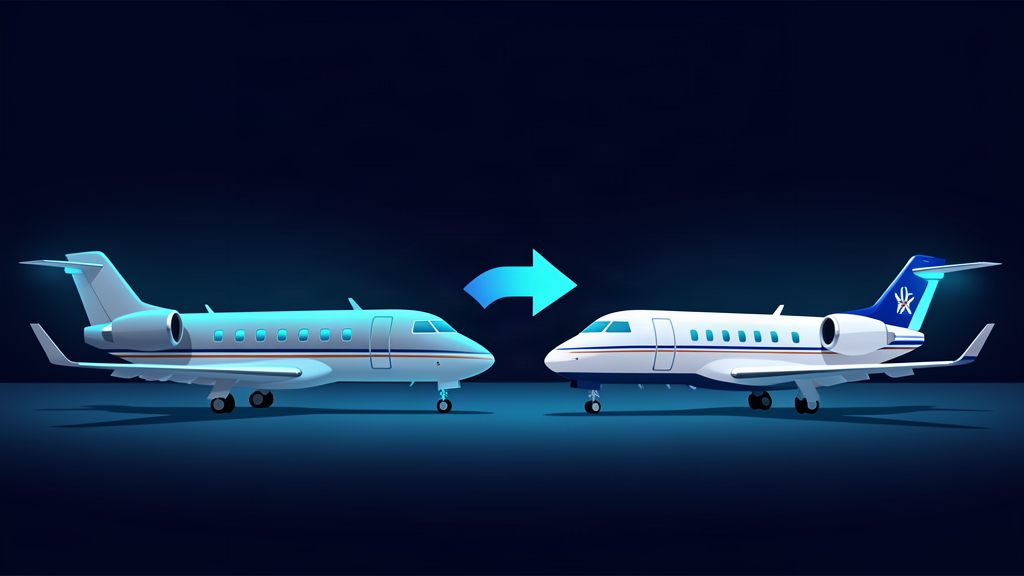
New details of Donald Trump’s secret plane swap to dodge an Iranian threat cast the US campaign against Tehran as strikingly personal — with consequences that reach British allies and global energy markets.
A February campaign and a killed supreme leader
President Donald Trump revealed he secretly switched aircraft to evade an Iranian threat, reframing America’s war with Tehran as something unusually personal. In remarks to ABC’s Jonathan Karl, Trump claimed: “I got him before he got me. They tried twice. Well, I got him first.” The comments refer to the US military campaign launched against Iran in February, when an Israeli airstrike conducted with American approval and coordination killed Ayatollah Ali Khamenei and other senior Iranian leaders.
“They tried twice”
Defence Secretary Pete Hegseth echoed the sentiment in March, saying “Iran tried to kill President Trump, and President Trump got the last laugh,” after an unnamed Iranian alleged to lead an assassination unit was killed in US strikes. Six months of warfare have followed, with the conflict showing little sign of a clean resolution.
What the conflict means for the UK
Britain is Washington’s closest European ally, and any widening of the Iran confrontation pulls the UK toward its edges. Royal Navy vessels already patrol the Gulf, and a crisis in the Strait of Hormuz — through which a fifth of the world’s oil flows — would hit UK fuel prices and inflation within days of any disruption.
Gulf shipping and UK energy security
For British households, the strategic stakes translate directly into pump prices and heating bills. London has long argued that keeping the Strait open is a national interest, not merely an American one, and any escalation risks drawing UK assets into a defensive posture they are only partly resourced for.
Parliament’s view and the special relationship
MPs from both sides have pressed the government to clarify the extent of any UK commitment should the war broaden. The personalisation of US policy is a double-edged sword for Westminster: it can sharpen resolve but also makes de-escalation harder when decisions rest on individual grievance rather than stated strategy.

ADVERTISEMENT
The February strike explained
The operation that killed Iran’s supreme leader was the sharpest escalation in a long stand-off. US approval and coordination of the Israeli strike signalled a deliberate decision to decapitate the Iranian leadership rather than merely contain its nuclear and proxy activities, a move that reshaped the strategic calculus across the region overnight.
Diplomatic fallout and UK diplomacy
London has urged restraint while reaffirming its security commitments, but the personalisation of the conflict complicates quiet diplomacy. British diplomats face the task of keeping channels open to Tehran even as Washington frames the war in terms of individual grievance, limiting room for the calibrated negotiation the UK traditionally favours.
Outlook
As the war enters a volatile phase, the UK’s challenge is to stay aligned with Washington without being dragged into a conflict driven as much by personal scores as by strategy — a balance that will test the special relationship in the months ahead.
Source: Original report. Rewrite for Your News Website.








We do not allow links of any sort in comments. No SPAM whatsoever. On topic comments only.