

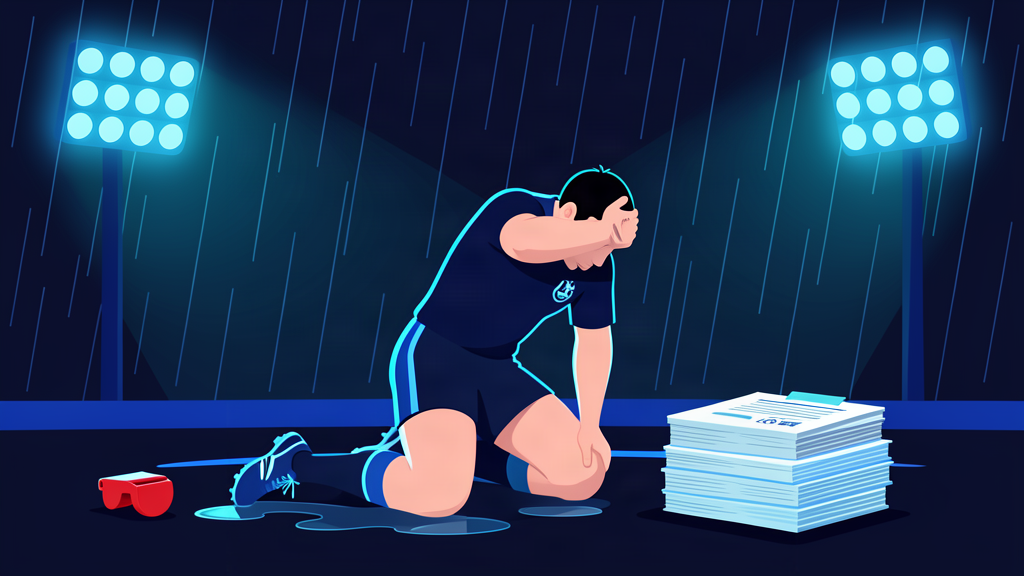
British rugby is confronting the legal reckoning over head injuries after World Rugby and a group of UK governing bodies lost a bid to have a clutch of concussion negligence lawsuits thrown out, Reuters reports. The decision keeps alive claims that the sport’s authorities failed to protect players from the long-term harm of repeated blows to the head, a question that now reaches from the professional game into schools and grassroots clubs across the United Kingdom.
What the court decided
The attempt to strike out the litigation was rejected, meaning the claims can proceed to substantive hearings. For the governing bodies, the ruling removes the prospect of an early exit and forces a defence on the merits: whether the rules, medical protocols and substitution guidance in place over past decades met the standard of care owed to players. Lawyers for the claimants argue that the science on traumatic brain injury was clear enough, and early enough, for the sport to have acted more decisively than it did.
A legacy that reaches beyond the elite game
The cases are part of a wider wave of actions brought by former professional players who say they were not adequately shielded from repeated concussion. Several ex-international and club players have spoken publicly about diagnoses of early-onset dementia and other neurodegenerative conditions they attribute to their playing careers. While the current rulings concern the governing bodies rather than individual clubs alone, the implications for the domestic game are broad. Any finding of systemic failure could reshape how the home-nation unions set match-day protocols, tackle limits and youth participation rules.
Why it matters
For families in the UK whose relatives built careers in the sport, the outcome is personal: it determines whether they can secure accountability and, potentially, compensation for life-altering illness. Beyond the courtroom, the saga has already shifted public expectations. Parents weighing whether to let children play contact rugby now do so against a backdrop of litigation and mounting medical concern. Schools and amateur clubs, which lack the resources of professional setups, are watching closely because they could face their own duty-of-care questions if standards are tightened by the courts.
What happens next
The claims now move toward fuller evidence and disclosure, where both sides will trade expert medical testimony on what the sport knew and when. Expect the governing bodies to point to reforms already introduced, such as stricter return-to-play rules and improved sideline assessment, as evidence that lessons were learned, while claimants stress that those changes came too late for those already harmed. Whatever the eventual verdict, the financial and reputational stakes for UK rugby are considerable, and the pressure on ministers to clarify the duty of care owed in school and community sport is unlikely to fade.
Source: Original report. Rewrite for Your News Website.























Really helpful article, thank you – looking forward to more like this!