


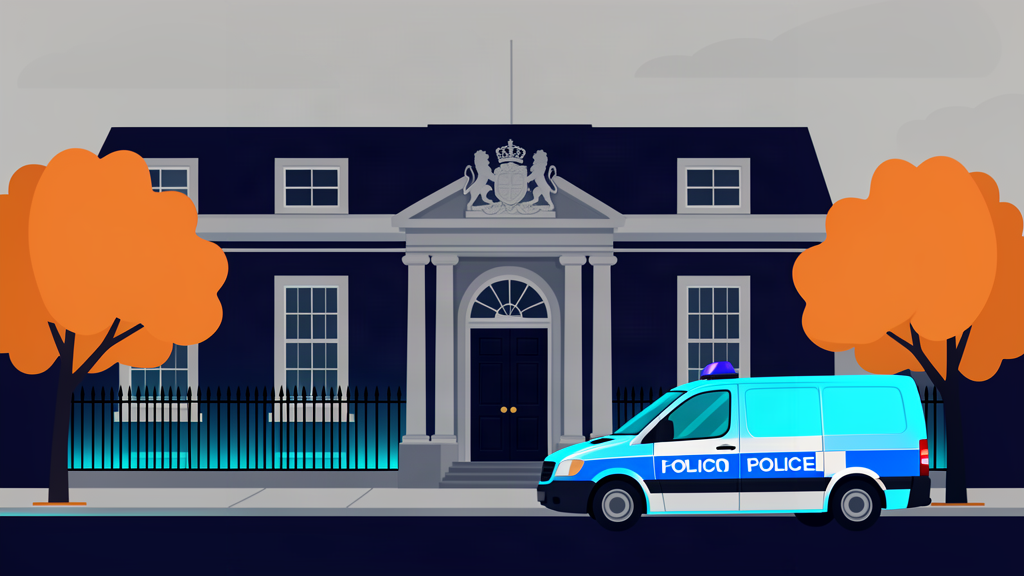
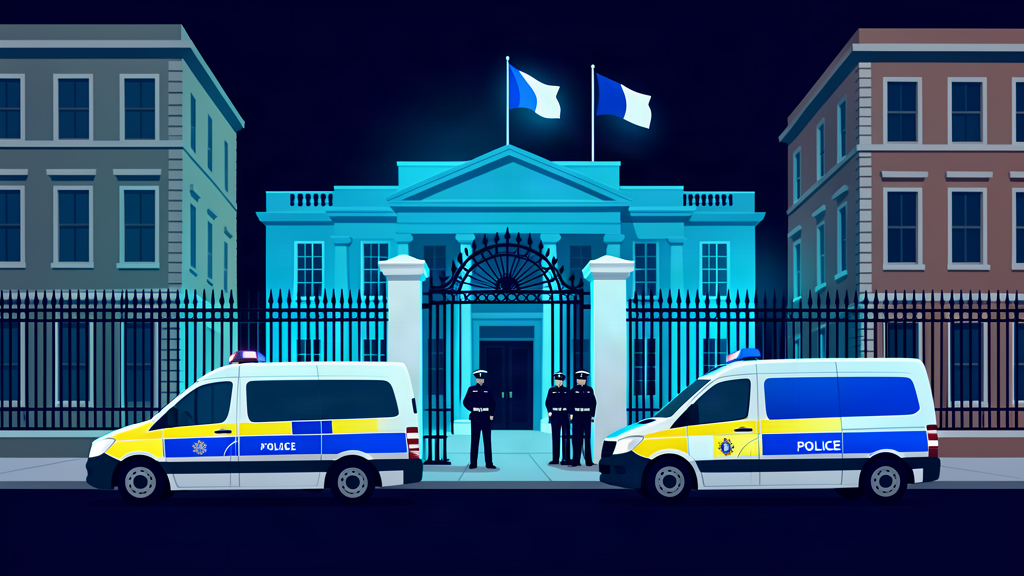
The UK government has ordered two in-depth reviews into how the franchising sector is policed, following serious allegations about the conduct of one of the country’s largest telecoms operators. Ministers confirmed at the weekend that separate studies will be commissioned to shape future policy, with officials weighing whether new legislation is needed to protect franchisees.
What the reviews will examine
The two pieces of work will look at how franchising arrangements operate in Britain and whether the current safeguards are fit for purpose. Their conclusions are intended to feed directly into government policymaking, and the Department for Business and Trade is reported to be considering whether the largely voluntary framework that governs the sector should be replaced by statutory protection for the people who run franchised outlets.
The Vodafone allegations
The decision follows a Guardian investigation published last December that set out claims concerning Adrian Howe, a former Vodafone employee who in 2018 agreed to take on a franchise. The reporting detailed allegations that he came under intense pressure from the FTSE 100 telecoms group and subsequently took his own life. The claims have placed the franchising model used across large parts of British retail and services under fresh scrutiny, and have prompted questions in Westminster about the balance of power between franchisors and the individuals who run their outlets.
A model under scrutiny
The franchising model has expanded steadily across the UK economy over the past two decades, with advocates pointing to the relative resilience of franchised outlets compared with independent start-ups. Critics counter that the headline figures can mask the experience of franchisees who say they were mis-sold agreements or squeezed by punitive terms. The Howe case has handed those critics a concrete example to press their case, and it has revived a long-running debate about whether Britain’s light-touch approach is still appropriate for an industry of this size.
Why it matters
Franchising is woven into the fabric of the UK high street, from mobile phone shops and fast-food outlets to cleaning and childcare services, and the people who run those businesses frequently invest their savings and livelihoods on the strength of a brand’s promise. The Howe case has become a flashpoint because it speaks to a wider concern: that franchisees can be left exposed when a relationship with the parent company sours, with limited recourse through the courts or regulators. Any shift from a self-regulated model toward formal legal protection would mark a significant change for an industry that has long preferred to set its own standards.
What happens next
The two reviews are expected to report back to ministers before the government decides whether to bring forward legislation. Campaigners and franchisee representatives are likely to press for a statutory code with enforceable penalties, while business groups will argue that the model already works for the majority of operators and that heavy-handed regulation could dent investment. Parliament is expected to watch closely, and the outcome could determine whether the UK joins the small group of jurisdictions that put franchising on a formal statutory footing.

ADVERTISEMENT
Source: Original report. Rewrite for Your News Website.

















Really helpful article, thank you – looking forward to more like this!
Great read, I learned something new. Thanks for sharing!
Really helpful article, thank you – looking forward to more like this!