

The Bosnian Serb commander Ratko Mladić, dubbed the “Butcher of Bosnia” for his role in the Balkan wars of the 1990s, has died in prison aged 84, prompting BBC special correspondent Allan Little to revisit the moment he met the general in the early months of the conflict.
A war witnessed from the ground
Little was in Bosnia throughout the breakup of the former Yugoslavia. He recalls nights when “you could watch the fires of ethnic cleansing across the landscape”, and mornings when columns of displaced people – perhaps 40,000 of them – emerged from forests having fled their homes with only what they could carry. Among them was an 80-year-old man, separated from his wife in the flight to safety, who when asked his ethnicity answered simply: “I am a musician.” The memory, Little writes, shames him still, a reminder that the convenient ethnic labels of the war obscured the doctors, farmers, mothers and children caught within it.
Meeting the “Butcher of Bosnia”
Little met Mladić in the first hot summer of the war at Lukavica barracks on the southern edge of Sarajevo, a place “awash with weapons and the menacing strut of the paramilitaries”. A Kalashnikov could be bought for 200 dollars and a hand grenade for a single dollar – the same price, he noted, as a fresh egg in the besieged city. Mladić seized the correspondent’s hand and held it fast, declaring himself the great defender of brotherhood and unity in the former Yugoslavia and dreaming aloud of a world without guns or war. Little judged him then to be fanatical, and dangerously so.
The human cost
The encounter framed a conflict whose toll reached far beyond the battlefield. Two days after meeting the old musician, Little’s cameraman, Tihomir Tunukovic, a 25-year-old film-maker from Zagreb, was killed by a Serb gunner. Mladić, the correspondent argues, did not pull the trigger, but his command “created an atmosphere of wanton permissiveness which cost tens of thousands of lives”. The Srebrenica massacre of 1995, carried out by forces under Mladić’s command, remains the defining atrocity of the war.
Why it matters
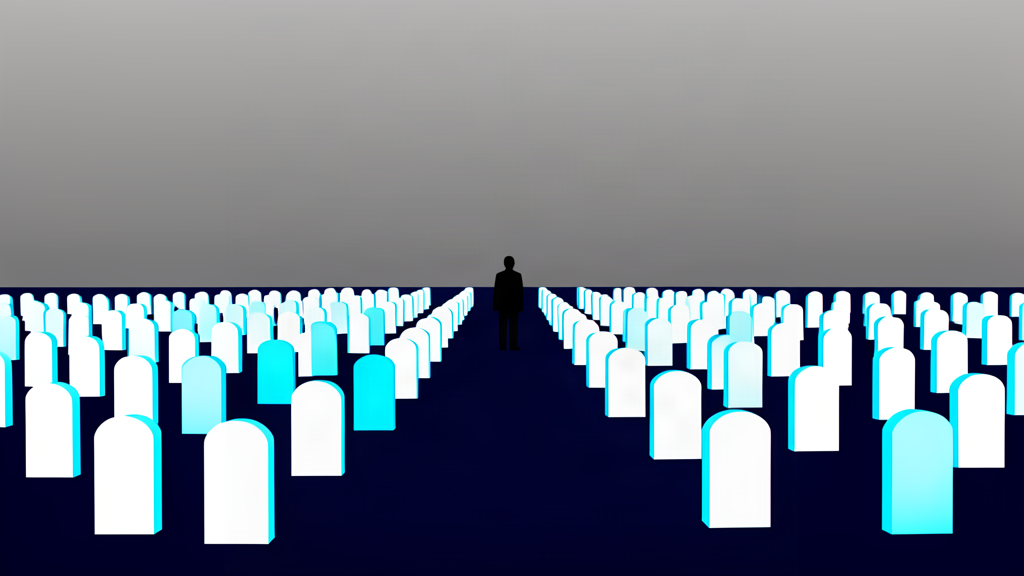
Mladić’s death closes the final chapter of a genocide conviction at the International Criminal Tribunal, but the wounds of the Bosnian war remain raw three decades on. The memorial cemetery at Srebrenica-Potocari, where rows of white headstones mark the victims, stands as a continuing reckoning with Europe’s worst atrocity since the Second World War.
What happens next
With the principal architect of the Srebrenica killings now dead, attention turns to reconciliation in the Balkans and the unfinished work of documenting and acknowledging the full scale of the crimes. For those who lived through it, Little concludes, the grief of the war is not a historical footnote but a present and living memory.

ADVERTISEMENT
Source: Original report. Rewrite for Your News Website.



















Really helpful article, thank you – looking forward to more like this!