

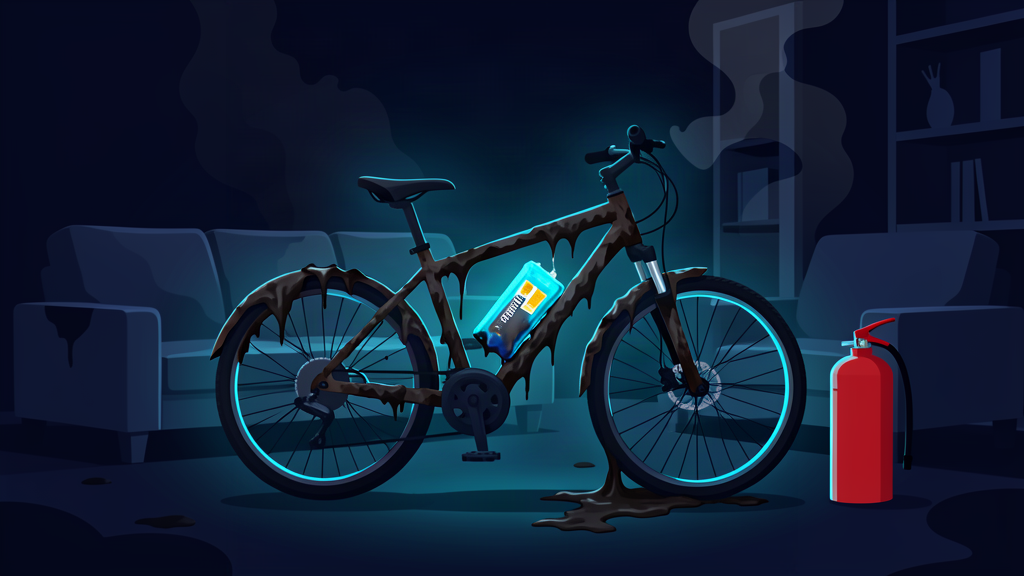
At least 18 people have died in the UK from fires linked to the lithium-ion batteries used in e-bikes and e-scooters, a BBC analysis has found, exposing the deadly flip side of the country’s rapid embrace of cheap electric transport.
The scale of the problem
The fatalities included people who inhaled toxic fumes released as the batteries ignited and others who became trapped inside burning homes, unable to escape as fires tore through converted flats and terraced houses. The figures point to a pattern of catastrophic, fast-moving blazes that firefighters say are unlike ordinary house fires.
The UK has seen an e-bike and e-scooter boom over recent years, driven by the cost of living, the growth of delivery riding, and the appeal of emission-free commuting. But the same batteries that make the machines practical can, when damaged, poorly made, or charged improperly, fail violently. Investigators have repeatedly highlighted the risk posed by substandard or modified cells bought online and by incompatible chargers left running overnight.
London Fire Brigade and other services have long warned that these devices can reach temperatures that defeat ordinary smoke alarms and spread within seconds. Several deaths have occurred in homes where a single battery, charged in a hallway or bedroom, turned a residence into a firetrap.
Why it matters
For millions of households, an e-bike parked inside the home is now routine. The danger is that the technology has outpaced the public’s understanding of how to use it safely. Toxic fumes from a burning battery can overcome a sleeping household before anyone is aware of the fire, which is precisely how several of the 18 deaths are understood to have happened.
The issue also raises questions for regulators and retailers. Cheap imports sold through online marketplaces may not meet the safety standards expected of high-street stock, and the second-hand trade in converted bikes adds another layer of risk. With delivery riders among the heaviest users, the workplace dimension is equally pressing.

ADVERTISEMENT
What happens next
Fire services are urging people never to charge batteries while asleep, to use only compatible chargers, and to avoid blocking escape routes with vehicles. Campaigners want tougher product safety enforcement and clearer labelling at the point of sale.
Ministers face calls to tighten the rules on imports and to give trading standards stronger powers to seize unsafe units. Until standards catch up with demand, the advice from firefighters is blunt: charge in a safe place, buy from reputable sellers, and never ignore a swollen or overheating battery.
Source: Original report. Rewrite for Your News Website.














Such sad news. My thoughts are with her family and loved ones.
A terrible loss. She touched so many lives – rest in peace.