


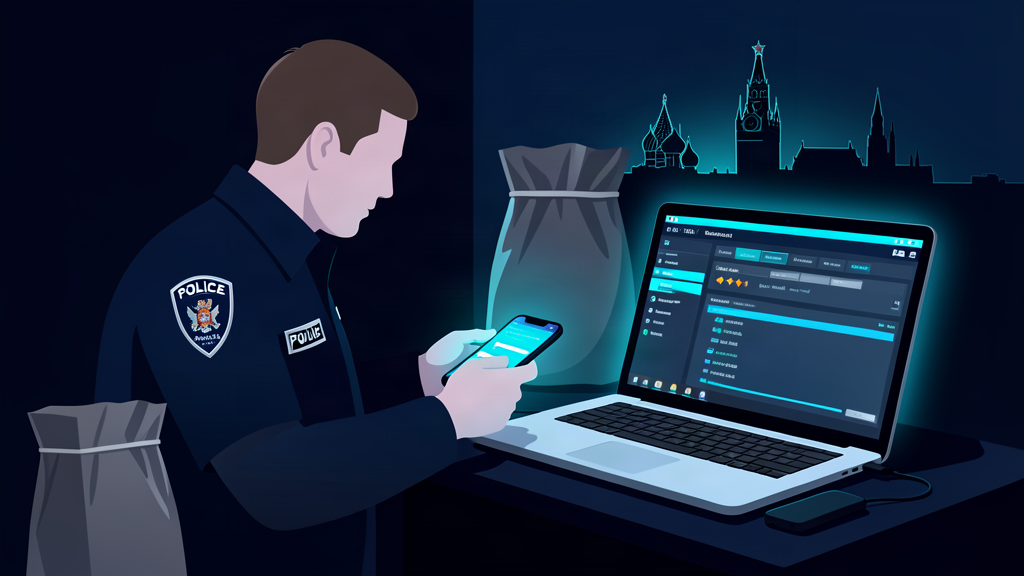
A recent government report has revealed alarming statistics regarding cyberattacks on businesses and charities in the UK. Shockingly, it has been found that 50% of businesses and 32% of charities reported experiencing a cyberattack or breach within the last 12 months. These figures highlight the growing threat of cybercrime and the urgent need for organisations to bolster their cybersecurity measures.
The report also indicates that many organisations across the UK are falling short in terms of cybersecurity readiness. Despite the increasing frequency and sophistication of cyberattacks, a significant number of businesses and charities are failing to implement adequate measures to protect their data and systems. This lack of preparedness leaves them vulnerable to cyber threats and puts their sensitive information at risk.
Cyberattacks should be top priority
In light of these findings, it is clear that cybersecurity should be a top priority for all organisations, regardless of their size or industry. Investing in robust cybersecurity measures, such as firewalls, encryption, and employee training, is crucial for safeguarding against cyber threats. Additionally, regularly updating security protocols and conducting thorough risk assessments can help prevent future cyberattacks and breaches.
As technology continues to advance and cybercriminals become more sophisticated, the importance of cybersecurity cannot be overstated. Organisations must take proactive steps to strengthen their defences and protect themselves from the growing threat of cybercrime. By prioritising cybersecurity and staying informed about the latest threats and best practices, businesses and charities can better safeguard their assets and maintain the trust of their stakeholders.
Get help with your website security.

ADVERTISEMENT
Have a look at these other great articles
- India’s young put their bodies on the line to be heard in protests against Modi
- Two Latvians arrested after breaching perimeter of RAF Molesworth, US air base in UK
- Man dies after entering tiger enclosure at England wildlife park
- Man arrested after boy, 11, injured in ‘dog attack’ in Manchester
- Eight men arrested by Greater Manchester Police days after early release from jail
- Polls open in Holborn and St Pancras byelection – UK politics live
- ‘Nature can recover’: Inside the race to rescue world’s crisis-hit wildlife
- Royal Navy service member charged with spying
- Zelensky condemns ‘vile’ large-scale Russian attacks that killed 15
- UK risks being ‘uninvestable’ if new oil and gas fields not approved, warns oil giant
- Plague risk to UK ‘very low’, officials say after Russian woman’s death
- Nigeria launches rescue after military plane crashes with 32 aboard
- Man jailed for life over failed knife attack at Israeli embassy in London
- Death of girl, 11, ‘unexplained’ after body found in park
- Former Prince Andrew launches challenge to ‘quash’ police search warrants







Muchas gracias. ?Como puedo iniciar sesion?
The numbers are sobering. Every business should be running the basics at minimum.
This report is a real wake-up call.
It’s shocking how many organisations are still under prepared.
Cybersecurity shouldn’t be an afterthought — it’s essential.
Even small charities are at risk, not just big corporations.
Investing in staff training is just as important as tech tools.
Too many breaches happen because of simple human error.
Regular updates and audits can make a huge difference.
We need more awareness campaigns and accessible resources.
I hope this drives real action, not just headlines.
Thanks for highlighting such a critical issue.
The stats are deeply concerning, but not surprising.
Cybercriminals are evolving faster than our defences.
Every organisation needs a clear, proactive security strategy.
Ignoring cybersecurity today is a costly mistake tomorrow.
Strong action is long overdue.
Cybersecurity isn’t optional any more—it’s a necessity for survival.
Really helpful guide, thank you – looking forward to more like this!
Great read, I learned something new. Thanks for sharing!
Backups that you’ve actually tested are the thing most companies skip. Vital.
Awareness is half the battle – sharing stats like this helps.
Patching promptly closes most of the easy doors attackers use.
Good reminder that it’s not just big firms; SMEs are targeted constantly.
Training staff to spot phishing is the cheapest insurance there is.
Segmenting the network limits how far an attacker can get. Often forgotten.