

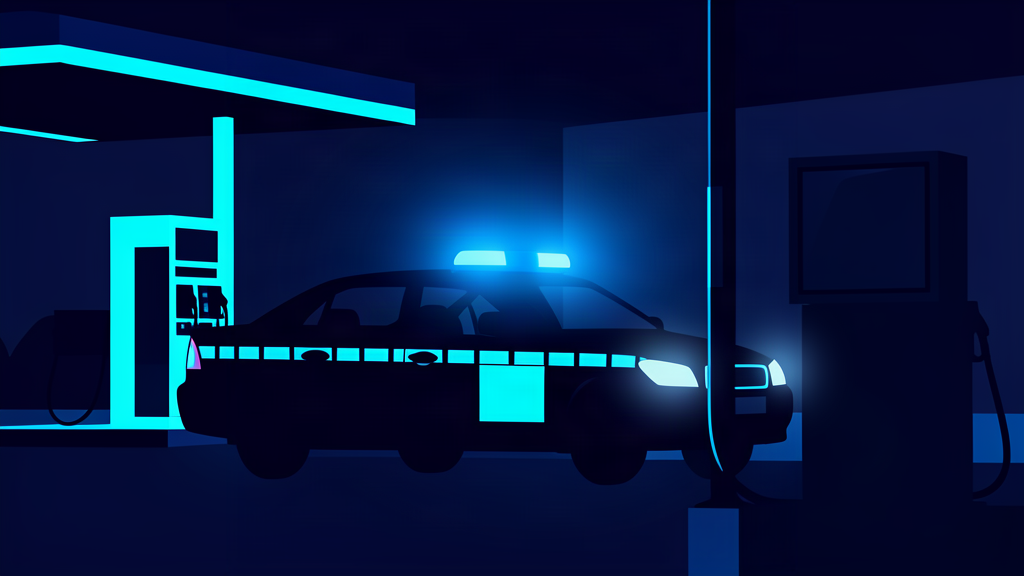
Actor Shane Richie has pleaded not guilty to drink-driving, appearing in court after being arrested at a petrol station forecourt in July 2026. The 62-year-old was charged following the arrest, and the case will proceed to a later hearing as a result of today’s plea.
The circumstances of the arrest
The BBC reports that Richie was stopped at a petrol station forecourt in July 2026, where police arrested him. The details available from the court reporting are limited: the charge is drink-driving, the plea entered is not guilty, and the arrest location is a petrol station forecourt. Beyond that, the publicly reported facts are sparse for now.
That sparseness is typical of early-stage motoring cases in the magistrates’ court system, where full particulars may be served later and the court hearing is focused on the plea and the timetable rather than a full airing of the evidence. Richie entered a not guilty plea, which means the case will be contested or, at minimum, not admitted at this stage, and the matter will be listed for a future hearing at which the prosecution’s case will be put forward.
The actor is best known to many UK viewers through a long career in television, and the case has drawn public attention on that basis. The reporting does not suggest any wider offence beyond the drink-driving charge, and it does not include any statement from Richie himself beyond the plea recorded at court.
What a not guilty plea means in this context
A not guilty plea in a drink-driving case does not settle the matter. It simply means the defendant does not admit the offence at this point and the case will proceed to a contested hearing or, depending on the court’s listing, to a trial date. The burden remains on the prosecution to prove the elements of the offence, typically including that the person was driving or in charge of a motor vehicle and that their alcohol level was above the legal limit.
In practice, the next step after a not guilty plea in the magistrates’ court is usually the setting of a trial date or further case management hearing. Witnesses, including the arresting officer, may be required to give evidence. Any roadside or station breath, blood or urine tests, if obtained, form part of the evidence the prosecution would then rely on. None of those specifics is detailed in the BBC report at this stage.

ADVERTISEMENT
Why it matters
This matters in straightforward terms: it is a criminal charge against a well-known figure, and the procedural steps are public. There is no suggestion in the reporting that the case is being treated differently from any other drink-driving matter, and there is no basis yet to judge the outcome. The not guilty plea simply moves the case along the court process.
It also matters because drink-driving remains one of the more heavily enforced road offences, with roadside testing and statutory limits that leave relatively little room for dispute over the basic threshold. When a public figure pleads not guilty, the focus shifts to what the evidence shows, which is a matter for the court rather than for public opinion.
What happens next
The case will return to court at a date to be arranged, where the prosecution will present its evidence and the defence will have the opportunity to respond. If the case proceeds to trial, the court will hear from witnesses and consider any forensic or testing evidence. If, at any stage, the prosecution or the defence seeks a different resolution, the court will deal with that according to the rules governing magistrates’ court proceedings. The BBC’s report is a record of the plea; the next confirmed step is the hearing listed as a result of it.










We do not allow links of any sort in comments. No SPAM whatsoever. On topic comments only.